Smart Home Insurance Discount: Which Devices Can Lower Your Premium
A smart home insurance discount is one of the few ways your gadgets can actually pay you back. Many homeowners and renters insurance companies lower premiums for devices that reduce the risk of the claims they hate most: water damage, fire, and burglary. Some insurers even give the devices away for free.
The catch is that discounts aren’t automatic, they vary a lot between companies, and not every device counts. This guide explains which smart home devices most often qualify for a discount, how much you can realistically save, and how to ask your insurer for it.
Why Insurers Reward Smart Home Devices
Insurance is about risk. Devices that catch problems early turn what could be a $30,000 flood or fire claim into a quick fix. Water damage in particular is one of the most common and expensive types of homeowners claims, and a leak sensor that catches a burst pipe early can save the insurer a fortune.
That’s why insurers increasingly offer discounts, rebates, or free devices to policyholders who install them.
How Much Can You Save?
It varies by insurer, state, and device, but the general picture from the Insurance Information Institute is that you can usually get a discount of at least 5 percent for basic protective devices like smoke detectors, burglar alarms, or deadbolt locks. Some companies offer much larger discounts, sometimes 15 to 20 percent, for more sophisticated systems such as fire and burglar alarms that are professionally monitored.
Smart devices that only alert your phone, without professional monitoring, often qualify for smaller discounts, if any. That’s the most important thing to understand before you shop.
Smart Home Devices That Most Often Qualify
Water Leak Detectors and Automatic Shutoff Valves
These are the devices insurers like most. A leak sensor alerts you to water, and an automatic shutoff valve can stop a burst pipe on its own. Some insurers offer discounts, rebates, or free devices for them. Our smart water leak detector guide covers the options.
Monitored Smoke and Fire Alarms
Smoke and CO alarms that connect to a professional monitoring service, which calls the fire department if you don’t respond, tend to earn bigger discounts than standalone alarms. Our smart smoke detector guide includes models with optional monitoring.
Monitored Security Systems
Professionally monitored burglar alarms are a classic discount. DIY systems like Ring Alarm and SimpliSafe often offer certificates of monitoring you can send to your insurer. Our guide to a smart home security system explains how monitoring works.
Electrical Fire Sensors
Some insurers partner with companies that make devices which monitor your home’s electrical system for signs of fire risk. State Farm, for example, has partnered with Whisker Labs to offer its Ting sensor to eligible customers in many states at no cost.
Smart Locks and Sensors
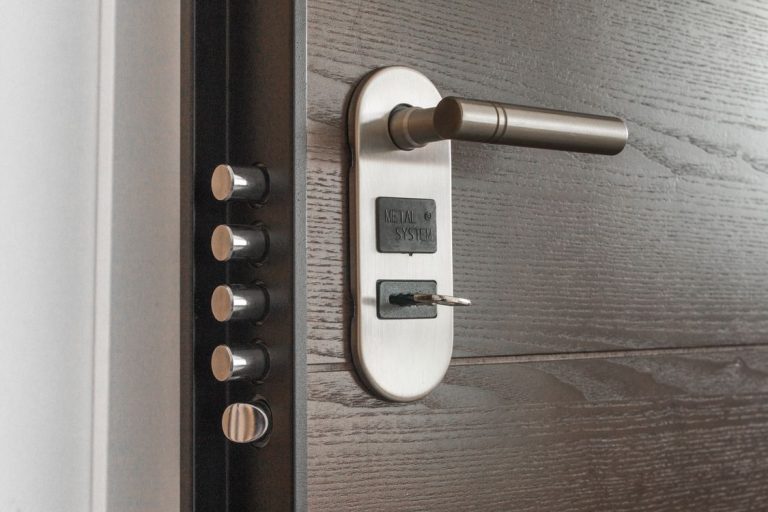
Deadbolts are often on insurers’ discount lists, and smart locks may qualify if they include a proper deadbolt. Door and window sensors usually count as part of a monitored security system rather than on their own. See our guide to door and window sensors for how they fit in.

Smart Home Insurance Discount Overview
| Device | Discount potential | Usually needs |
|---|---|---|
| Water leak detector / shutoff valve | Moderate, sometimes free device | Proof of installation |
| Monitored smoke and fire alarm | Moderate to high | Monitoring certificate |
| Monitored security system | Moderate to high | Monitoring certificate |
| Electrical fire sensor | Often free through partner programs | Insurer program enrollment |
| Smart lock with deadbolt | Low to moderate | Varies |
| Unmonitored smart sensors | Low or none | Varies |
How to Get Your Smart Home Insurance Discount
- Call your insurer or agent and ask directly. Ask which devices qualify, how much the discount is, and what proof they need.
- Ask about partner programs. Some insurers offer free or discounted devices through partnerships. Hippo, for example, has built its homeowners insurance around providing smart home devices to policyholders.
- Get a certificate of monitoring if you have a professionally monitored alarm. Your monitoring provider can usually email one.
- Keep receipts and photos of installed devices.
- Do the math before adding monitoring. A $10 to $20 monthly monitoring plan only pays off if the discount is bigger than the cost, unless you value monitoring for its own sake. Our breakdown of smart home subscription costs helps you compare.
- Shop around at renewal. Discount programs vary widely between insurers, and another company may value your devices more.
Renters Can Save Too
Renters insurance premiums are smaller, so the dollar savings are smaller, but many insurers still offer protective device discounts. Battery-powered leak sensors, smoke alarms, and DIY security systems are all renter-friendly and can move with you.

Is It Worth Buying Devices Just for the Discount?
Usually not on the discount alone, but the discount is a nice bonus on devices that are worth having anyway. A leak detector or a monitored smoke alarm protects your home and your family first. If it also lowers your premium a few percent, it pays for itself faster.
Start by calling your insurer before you buy. Five minutes on the phone tells you exactly which devices qualify for a smart home insurance discount with your policy, and whether they’ll even send you one for free.