Smart Sprinkler Controller Guide: Save Water and Winterize the Easy Way
How a smart sprinkler controller saves water, which one to buy, and how it makes winterizing your irrigation easier.
Thermostats, blinds, energy monitoring, and a more efficient home.
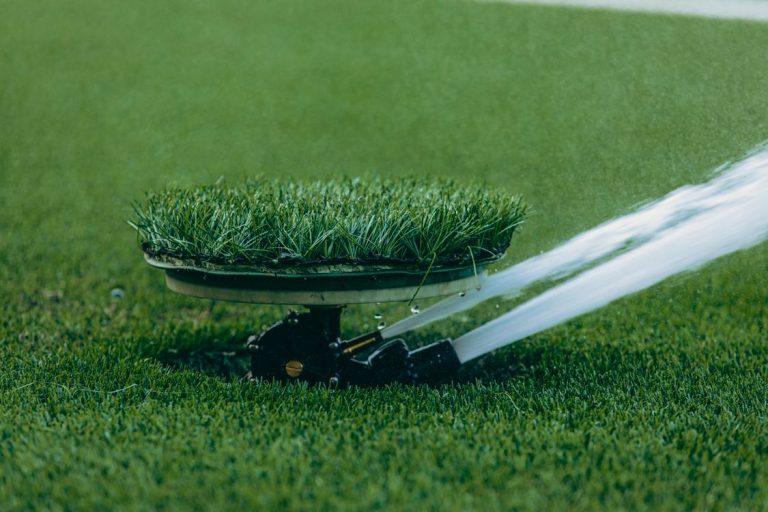
How a smart sprinkler controller saves water, which one to buy, and how it makes winterizing your irrigation easier.
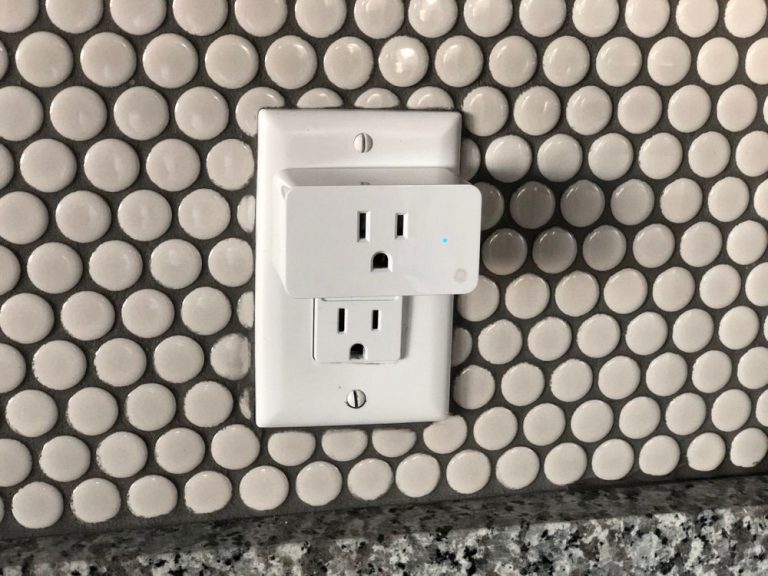
Plugging a space heater into a smart plug is tempting, but risky. How to check your plug, and safer ways to get remote control of your heat.
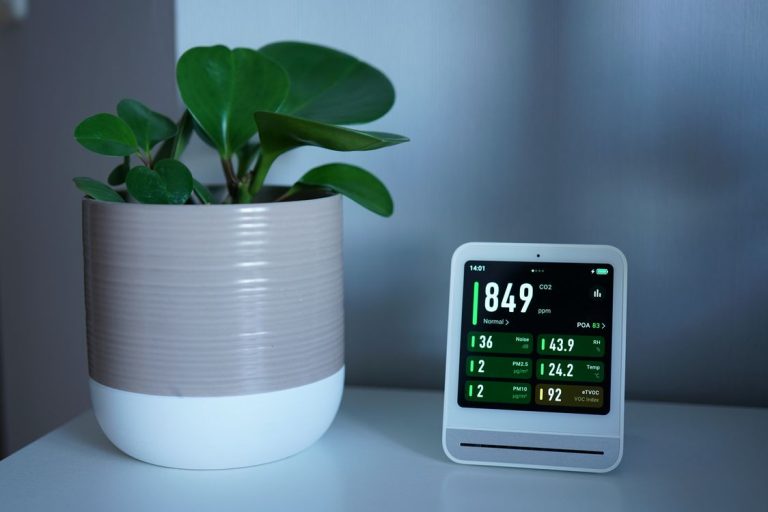
Winter traps pollutants indoors. What an indoor air quality monitor measures, what the numbers mean, and which one to buy.
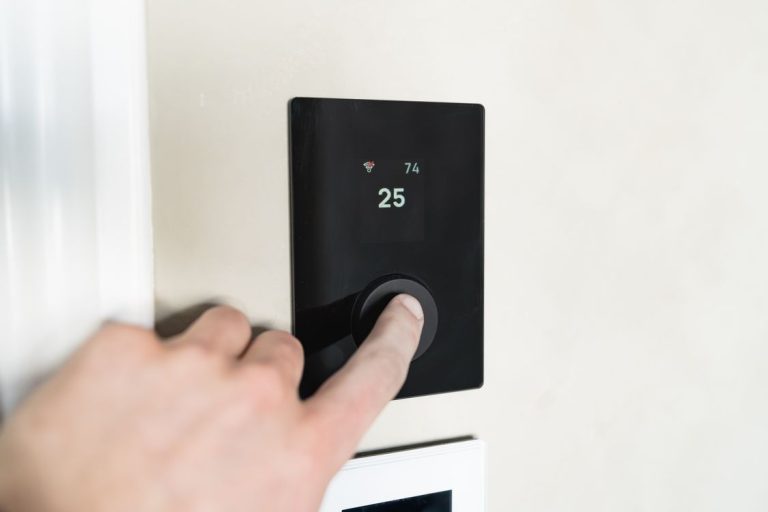
Nest, ecobee, Honeywell or a budget model? How to pick the best smart thermostat for 2026 and set it up for winter savings.

From $60 retrofit kits to premium Lutron shades, here is how to choose smart blinds that save energy and fit your smart home.

What keeps working when the grid goes down, what does not, and the cheap fixes that make your smart home outage-proof.
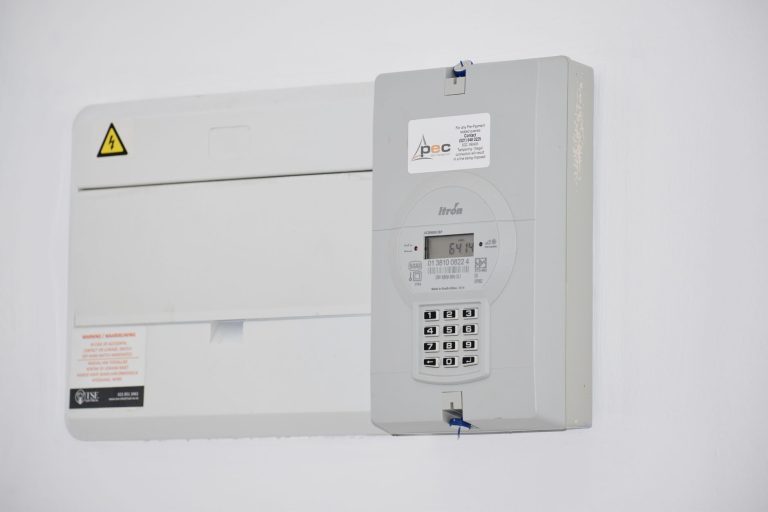
A smart home energy monitor is one of the few smart home upgrades that pays for itself directly — not through convenience or security, but through real dollar savings on your electricity bill. This guide explains how they work, what to look for, and how to actually use the data they give you. What Is…

Heating and cooling accounts for the largest share of residential energy use, of residential energy use, and it’s also the area where smart home technology has the clearest and most measurable impact. Smart home climate control covers everything from a single smart thermostat to a multi-zone system with room sensors and automated ventilation — and…
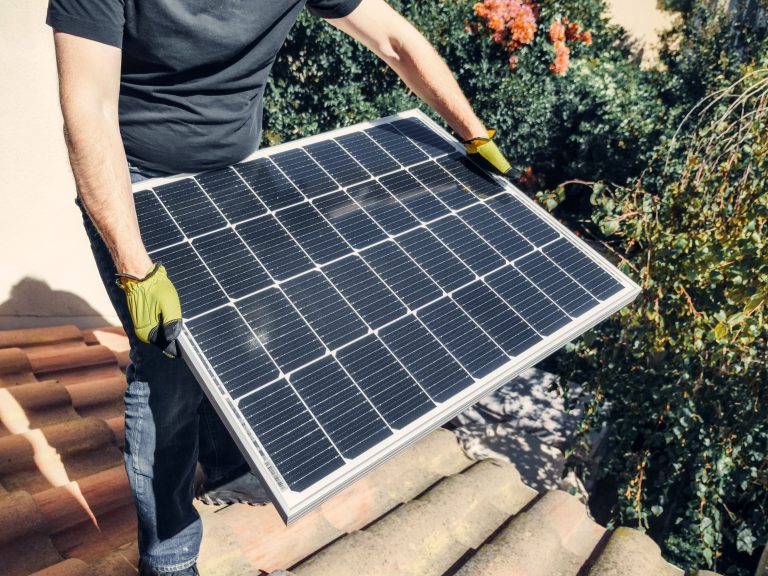
Smart home technology and sustainability have an obvious overlap — energy monitoring, smart thermostats, automated lighting — but also a less obvious tension. Every device you add to a smart home was manufactured, consumes standby power, and will eventually become electronic waste. The question of whether a smart home is good for the environment has…
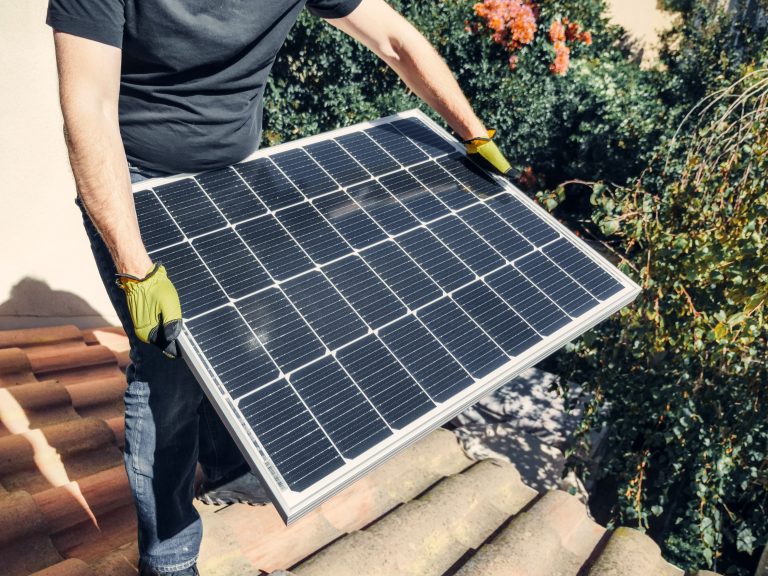
Everyone knows smart home devices can save energy. The US Department of Energy estimates smart thermostats alone can reduce heating and cooling costs by 10% annually. Fewer people know which ones actually move the needle and which are mostly marketing. The gap between the theoretical savings on a product page and the actual savings on…