Smart Light Color Temperature: What It Is and Why It Matters
When people talk about smart lighting, they usually focus on dimming or colour changes — purple for parties, red for movies. But the feature that genuinely improves daily life isn’t colour at all. It’s smart light color temperature: the warmth or coolness of white light, measured in Kelvin. Getting this right is the difference between a smart lighting setup that actually changes how your home feels and one that just lets you turn lights off from your phone.
This guide explains what smart light color temperature is, why it matters more than colour, and how to set it up in a way that works automatically throughout your day.
What Smart Light Color Temperature Actually Means
Colour temperature describes how warm or cool a white light appears. It’s measured in Kelvin (K) — counterintuitively, lower numbers are warmer (more orange/yellow) and higher numbers are cooler (more blue/white).
The practical range for home lighting runs from about 2200K to 6500K:
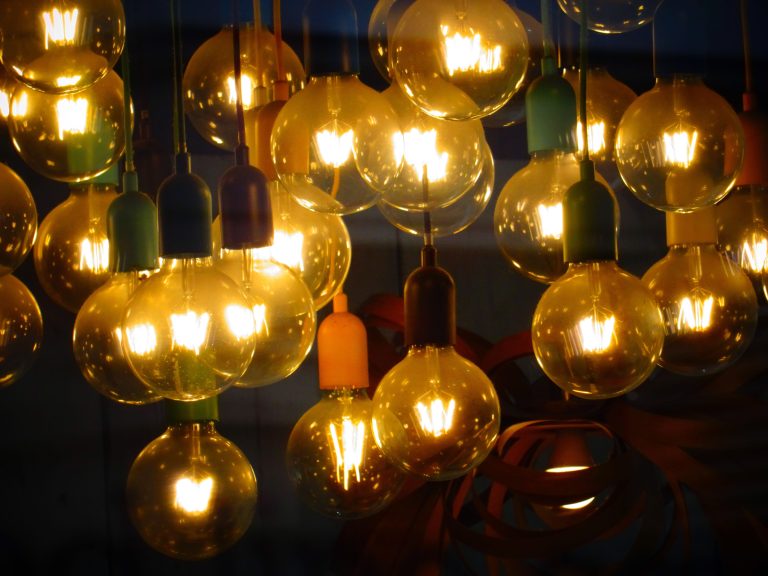
2200K–2700K — Warm white. The colour of candlelight and old incandescent bulbs. Warm, amber, cosy. Best for evenings, bedrooms, living rooms where you want to relax. This range signals to your brain that it’s winding-down time.
3000K–3500K — Soft white. Still warm but slightly brighter and cleaner. Good for kitchens and bathrooms where you want visibility without harshness.
4000K–4500K — Neutral/cool white. The colour of most office lighting. Crisp, clear, neutral. Good for home offices, garages, laundry rooms — anywhere you need to see clearly without eyestrain.
5000K–6500K — Daylight. Bright, bluish-white. Mimics midday outdoor light. Best for task lighting, reading, and anywhere you need maximum alertness. Not pleasant for evening use — this range actively suppresses melatonin and delays sleep.
Why It Matters More Than Colour
Most people who buy colour-capable smart bulbs use them as white lights 95% of the time. The colour feature gets used for the first week, then sits unused. But colour temperature — shifting from cool white during the day to warm white in the evening — is something you benefit from every single day, whether you notice it or not.
The reason is biological. Blue-spectrum light (cool, high-Kelvin) suppresses melatonin production — the hormone that makes you sleepy. Warm light (low-Kelvin) doesn’t. A home lit with 6000K bulbs at 9pm is actively making it harder to fall asleep at 10pm. A home that automatically shifts to 2700K after sunset is quietly supporting your sleep without you doing anything.
This isn’t a minor effect. Research consistently shows that light temperature in the two to three hours before bed significantly affects sleep onset time and sleep quality. Smart lighting is one of the few home upgrades that has a direct, measurable impact on health — not just convenience.
Tunable White vs Full Colour Bulbs
Not all smart bulbs can change colour temperature. There are three tiers:
Single-temperature bulbs — the cheapest smart bulbs. They dim but stay at a fixed colour temperature (usually 2700K or 3000K). Fine for accent lighting where the colour is always the same.
Tunable white bulbs — also called “white ambiance” or “adjustable white.” These can shift anywhere along the warm-to-cool spectrum. No colours — just different shades of white. This is the most practically useful tier for everyday living. Philips Hue White Ambiance, LIFX White, and WiZ Tunable White all fall here.
Full colour + tunable white bulbs — can do both colours and the full white spectrum. The most capable and most expensive. Worth it for living rooms and bedrooms where you might actually use colour scenes occasionally; overkill for kitchens, hallways, and utility spaces.
For most rooms, tunable white is the right choice. You get all the health and ambiance benefits of colour temperature adjustment at a lower price point than full colour.
How to Set It Up: The Three Approaches
1. Manual Presets
The simplest approach: create two or three scenes in your lighting app and switch between them manually or by voice.
A practical set: “Morning” (5000K, full brightness), “Daytime” (4000K, 80%), “Evening” (2700K, 60%), “Night” (2200K, 30%). You call them by voice or tap them in the app as the day progresses.
This works, but requires you to remember to switch. The value of smart lighting is in automation — doing things you’d otherwise forget.
2. Time-Based Automation
Set your lights to shift colour temperature automatically at set times. In most platforms:
Alexa: Routines → trigger by time → action “change light to [colour temperature]”
Google Home: Automations → time-based → adjust lights
Apple HomeKit: Automations → time of day → set scene
A simple starting schedule: 6500K until noon, 4000K noon–6pm, 2700K after 6pm, 2200K after 9pm. This covers most households without needing sensors.
3. Circadian Rhythm / Adaptive Lighting
The most sophisticated approach: lights that automatically track the sun’s position and shift colour temperature and brightness to match natural light throughout the day. Cool and bright in the morning, neutral at midday, progressively warmer from afternoon onward.
Philips Hue offers “Natural Light” routines that do this. Apple HomeKit’s “Adaptive Lighting” feature adjusts compatible bulbs automatically throughout the day with no manual setup. Home Assistant has a dedicated Circadian Lighting integration that works across multiple brands.
This is the best version of the feature — genuinely automatic, no decisions required, and the effect on evening sleep quality is noticeable within a week.
Room-by-Room Recommendations
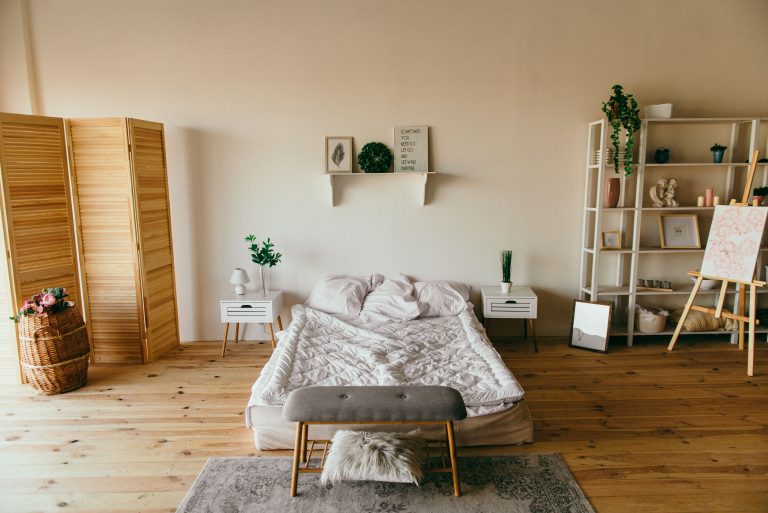
Bedroom: Tunable white essential. Morning cool (5000K), evening warm (2200–2700K). Adaptive lighting or time-based automation recommended. This is the room where colour temperature has the most direct impact on your wellbeing.
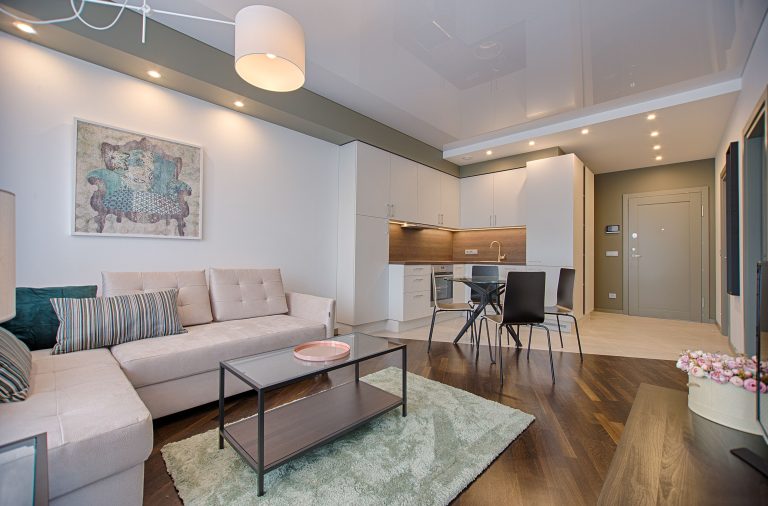
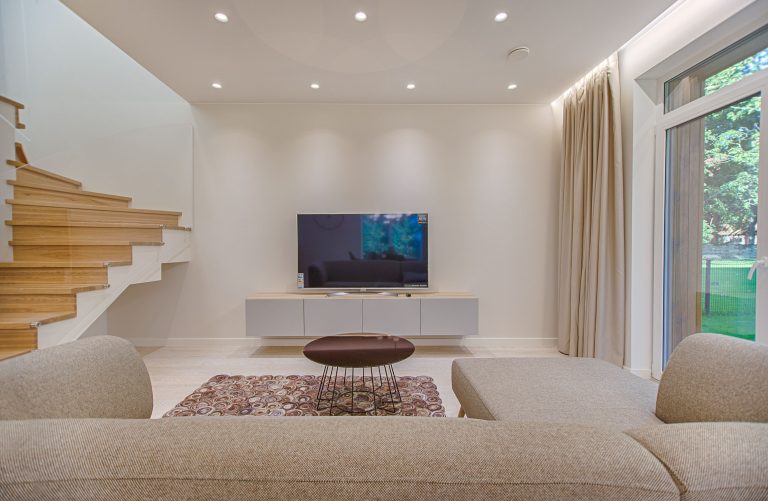
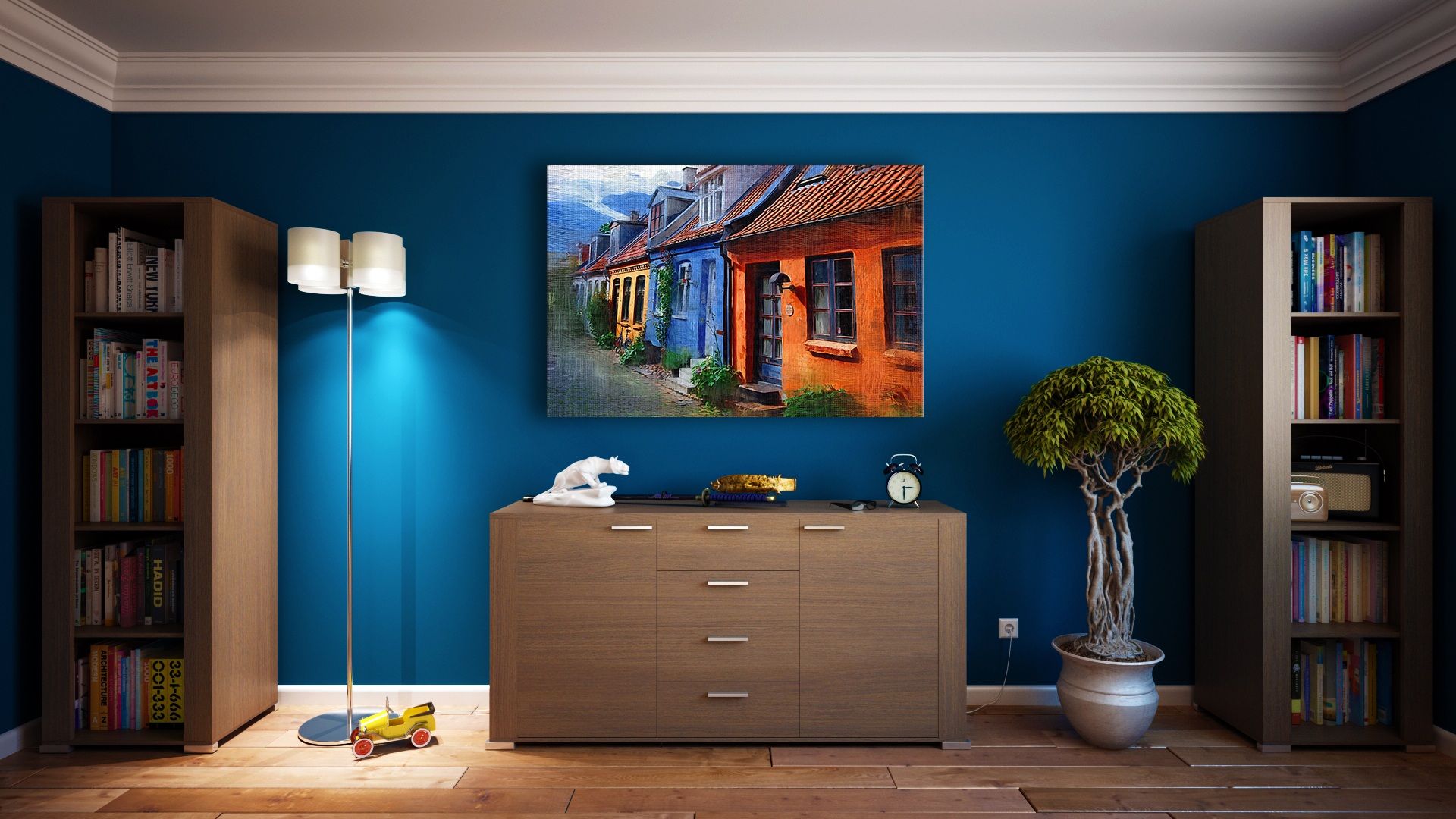
Living room: Full colour + tunable white worth considering here — this is where you’re most likely to actually use colour scenes. Default to warm white (2700K) for most of the evening.
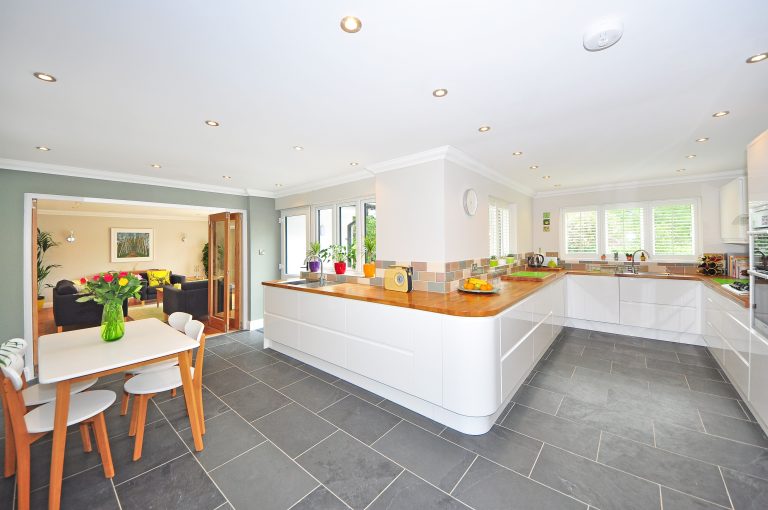
Kitchen: Tunable white useful — cool for cooking tasks (4000K), warmer for evening (3000K). Bright lighting at dinner time keeps energy levels up when you may want to wind down, so consider a time-based shift here too.
Home office: Cool white during work hours (4500–5000K) for alertness. This is one case where a fixed cooler temperature is better than warm — you want the cognitive boost, not the cosy feeling.
Bathroom: Neutral to cool white (3500–4500K) for practical tasks. Colour temperature matters less here — clarity is the priority.
Hallways and utility rooms: Single-temperature bulbs are fine. Not worth the premium for tunable white in spaces where you spend 30 seconds at a time.
Conclusion
Colour temperature is the most underrated feature in smart lighting — and the one that delivers real, daily value long after the novelty of voice control and coloured lights has worn off. A bedroom that automatically shifts from 5000K in the morning to 2200K by 9pm is quietly improving your sleep every night. That’s a more concrete benefit than being able to make your living room turn green.
If you’re buying smart bulbs and haven’t thought about colour temperature yet, it’s the first spec to check. Tunable white covers most households without the full-colour premium. Adaptive lighting — if your platform supports it — removes the last remaining decision.
Start with the bedroom. One tunable white bulb on an evening warmth schedule costs the same as a standard smart bulb and makes a noticeable difference within the first week. That’s a better use of a first smart lighting purchase than colour-changing bulbs you’ll use for novelty twice and then forget.