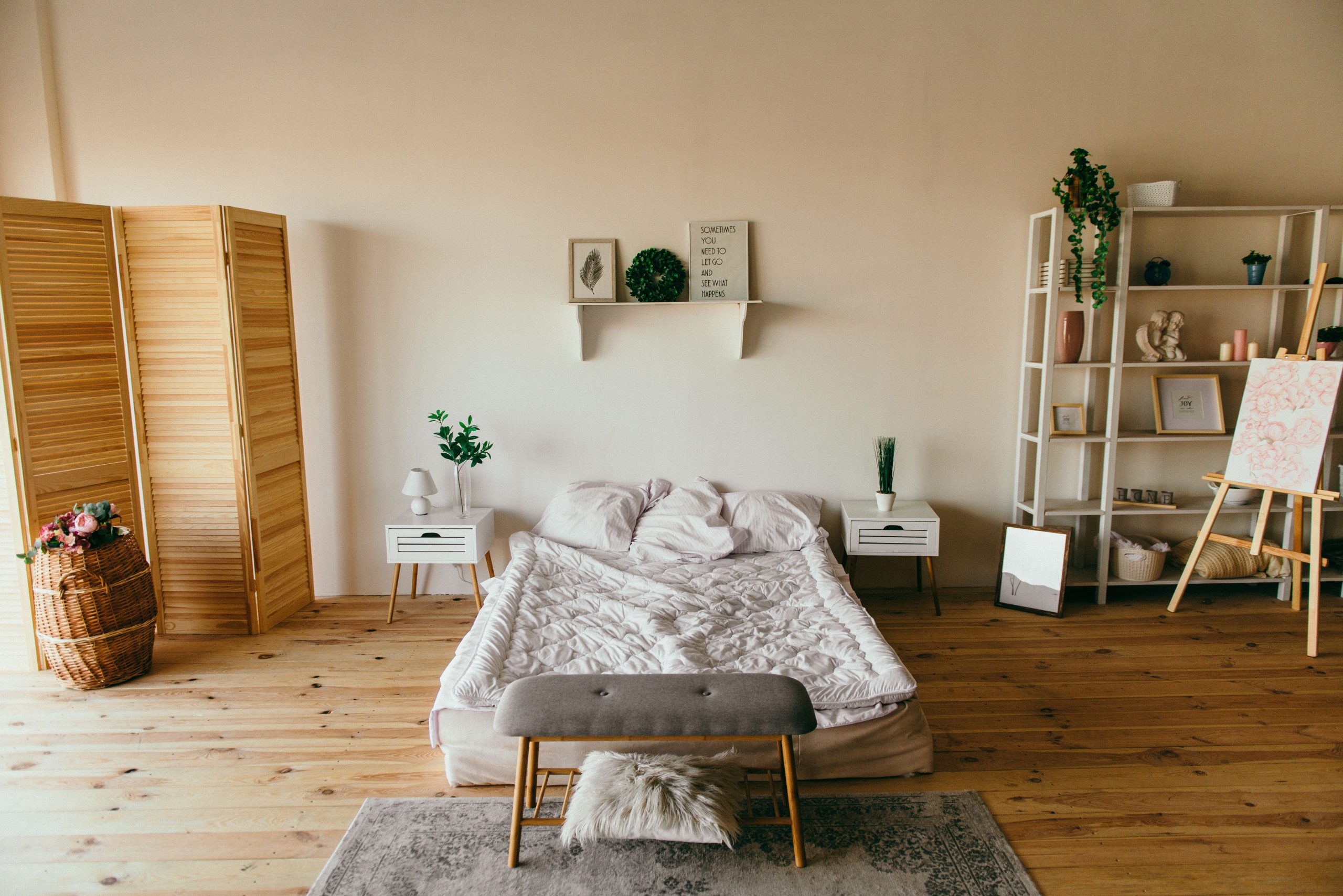
Best Rooms for Smart Lighting: Where It Actually Makes a Difference
One of the most common mistakes people make with smart lighting is trying to do the whole house at once. They end up spending more than they planned, running into compatibility problems, and then wondering why the whole thing feels like more work than it’s worth. The smarter approach — and the one that consistently leads to setups people actually enjoy — is to start with the rooms where lighting makes the biggest difference to how you live.
Not every room benefits equally from smart lighting. The best rooms for smart lighting are the ones where you spend the most time, where light directly affects your mood or comfort, or where automating the lights actually removes friction from your daily routine. Everything else can wait — or stay dumb forever, and that’s fine too.
Here’s an honest room-by-room breakdown of where smart lighting earns its keep, and where it probably doesn’t.
Bedroom: The Highest-Value Room
If you only make one room smart, make it the bedroom. The reasoning is simple: light has a direct, measurable effect on sleep quality, and your bedroom is where that matters most.
Cool, bright light in the evening suppresses melatonin — the hormone that makes you sleepy. A bedroom that shifts from task lighting to warm, dim light in the two hours before bed makes a noticeable difference to how easily you fall asleep. A bedroom that comes on gradually in the morning, starting dim and cool and brightening over 20–30 minutes, is a far gentler wake-up than an alarm and a switch.
Neither of these things requires anything complicated. A couple of tunable white bulbs in the bedside lamps and the main ceiling light, a time-based schedule, and you’ve covered both. If your platform supports adaptive lighting — where the system automatically tracks the time of day and adjusts colour temperature — the bedroom is the room where you’ll feel it most clearly.
The bedside lamp specifically is worth calling out. A smart bulb there gives you two things that matter: the ability to turn off the light without getting up once you’re in bed, and a reading light you can dim down gradually as you get sleepy. These sound like minor conveniences. After a week, they feel like necessities.
Living Room: The Mood Room
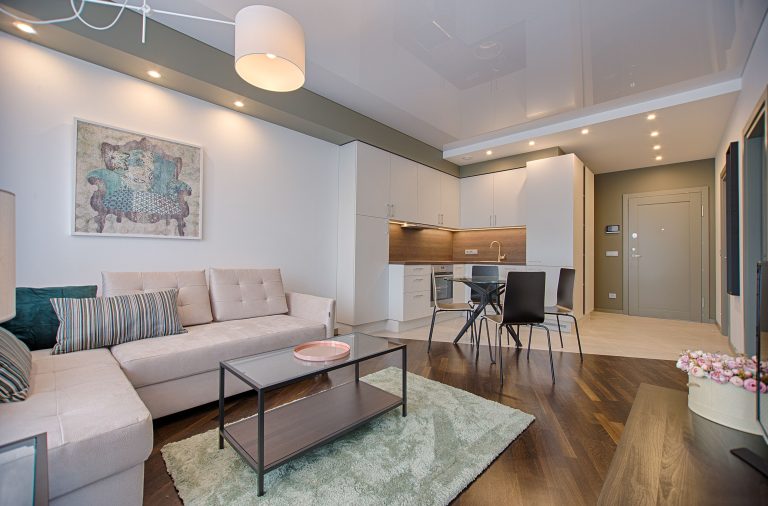
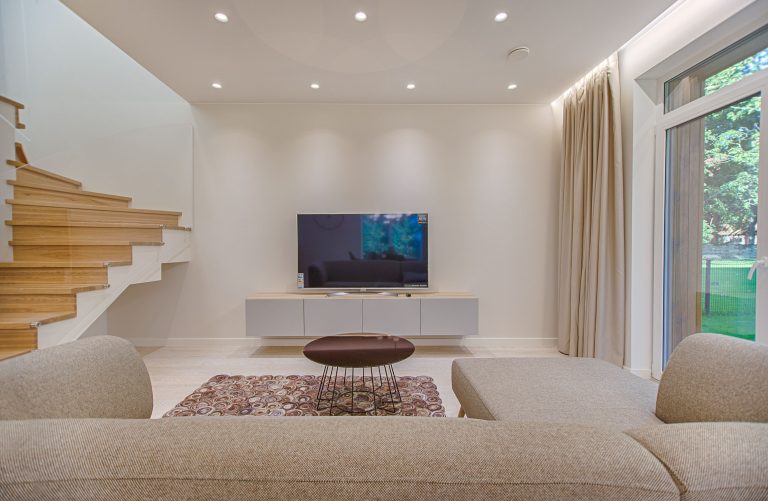
The living room is where most people spend their evenings, and it’s the room where the quality of light — not just the on/off state — makes the biggest visible difference. A living room at 5000K and full brightness feels like an office. The same room at 2700K and 60% brightness feels like somewhere you actually want to spend time.
This is where full-colour bulbs start to earn their premium over tunable white, if you’re going to use colour anywhere. Movie mode (warm amber, dimmed), party mode (whatever colour you like), reading mode (neutral white, bright) — the living room is the one space where people actually cycle through different lighting moods in a single evening. Most other rooms stay at one setting most of the time.
Automations that work well here: a “movie time” scene triggered by voice that dims the lights and warms the colour, a sunset schedule that gradually transitions from bright daytime lighting to warm evening light, and a “good night” command that turns everything off when you head to bed. None of these require anything beyond a basic smart speaker and compatible bulbs.
If your living room has a multi-bulb ceiling fixture, this is also the room where the smart switch vs smart bulb question matters most. One smart switch controlling six ceiling bulbs is usually better value and more reliable than six individual smart bulbs that each need to stay powered on. Worth thinking through before you buy.
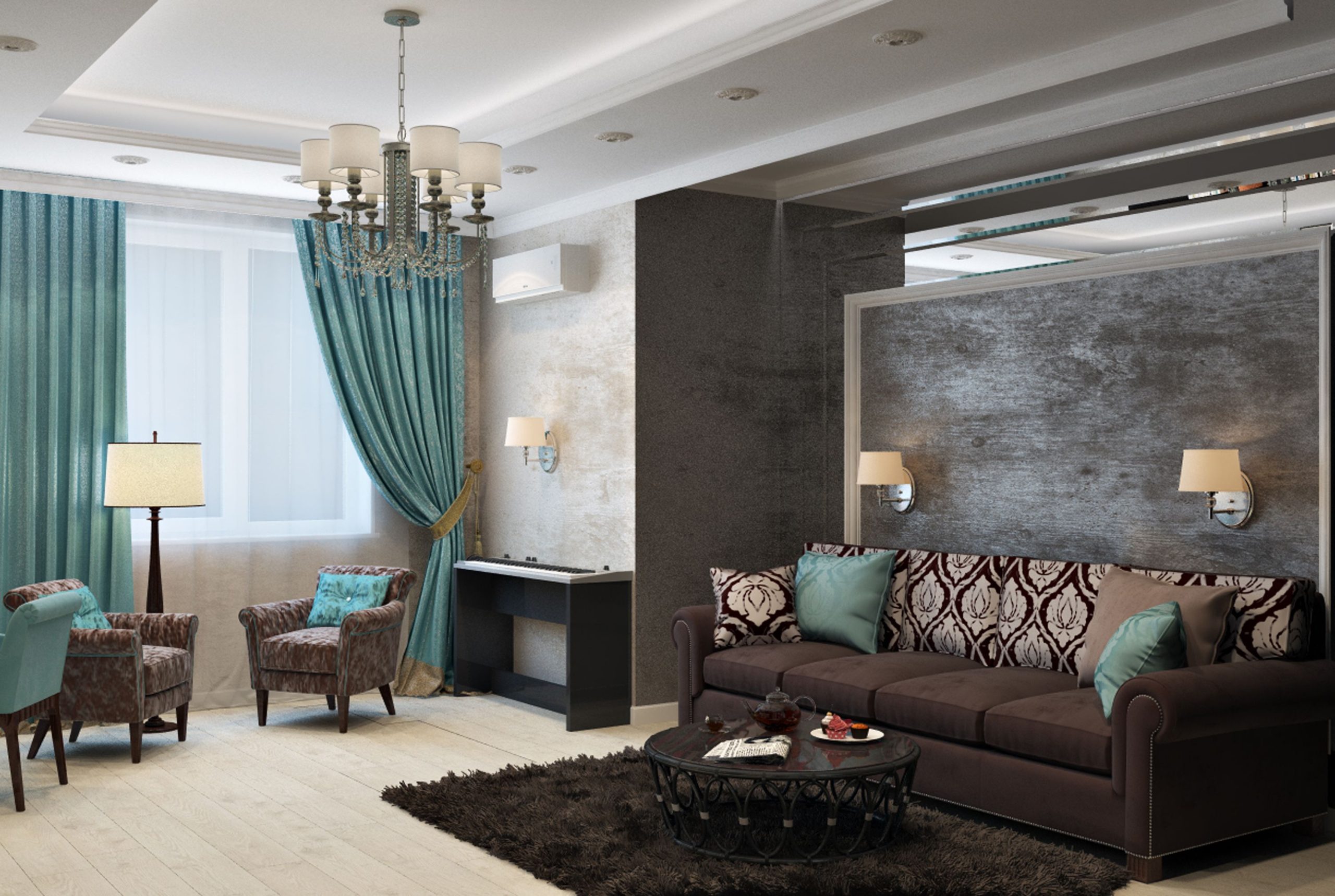
Home Office: The Productivity Room
If you work from home — even occasionally — your office or desk area is a strong candidate for smart lighting. The case here is less about mood and more about function.
Cooler, brighter light (4000–5000K) improves alertness and concentration. The problem is that most people have one lighting setup in their home office and stick to it, regardless of whether they’re in a focus session, on a video call, or winding down at 6pm. Smart lighting lets you have different settings for different modes without physically doing anything — “work mode” is bright and neutral, “call mode” adjusts to flattering light for the camera, “evening” transitions to something warmer.
The video call use case is underrated. The right light temperature and direction makes a significant difference to how you look on camera, and being able to switch to it instantly (by voice, by routine, by time) is genuinely useful if you’re on calls regularly.
Kitchen: Partial Value
The kitchen is worth smart lighting, but with more caveats than the bedroom or living room.
The genuine value is in task lighting — bright, neutral light for cooking and prep work — combined with the ability to dim down in the evenings when you’re in the kitchen for drinks or casual conversation rather than active cooking. A kitchen that’s always at cooking brightness feels harsh by 9pm.
The complication is that kitchens often have enclosed fixtures, under-cabinet lighting, and a mix of circuit types that don’t all respond well to smart bulbs. Enclosed fixtures trap heat and can shorten smart bulb lifespans significantly. Under-cabinet lighting often runs on different drivers entirely. A smart switch for the main overhead lights, combined with smart plugs for any plug-in under-cabinet strips, is often a more practical approach than trying to make every bulb smart.
Hallways and Entrances: Automation Over Control
Hallways are a special case. You don’t actually want to control the lights there — you want them to be automatic. A motion-triggered hallway light that comes on when you walk in and turns off after a minute is more useful than any manual control, and it’s one of the most satisfying automations to set up because it works perfectly, every time, without you thinking about it.
For this use case, you don’t necessarily need smart bulbs — a smart switch combined with a motion sensor does the job more reliably. Or if you already have smart bulbs elsewhere in the ecosystem, adding a motion sensor to trigger them is a natural extension.
The entrance specifically — the first light you hit when you come home — pairs well with a presence-based automation: lights on when you arrive, triggered by your phone’s location. We covered this in our guide to smart home routines for beginners, and it’s one of the most consistently useful automations people set up.
Bathroom: Minimal Value
The bathroom is where smart lighting has the least to offer most households. You’re in there for short periods, the lighting needs are simple (bright for getting ready, nothing else), and the enclosed fixtures that most bathrooms use are exactly the kind that cause problems for smart bulbs.
There’s one exception worth mentioning: a warm, very dim “night mode” for middle-of-the-night bathroom visits. A motion-triggered bathroom light that comes on at 5% brightness at 3am is meaningfully better than full brightness, which wakes you up completely. If that use case appeals to you, it’s worth doing. Otherwise, the bathroom is probably the last room you should bother with.
Rooms You Can Probably Skip
Utility rooms, garages, storage cupboards — anywhere you spend minutes rather than hours — don’t benefit from smart lighting in any practical sense. A basic motion sensor and a dumb bulb (which costs almost nothing) does more for a utility room than a full smart lighting setup ever would. Save the budget for the rooms where you actually live.
The Right Order to Start
If you’re building from scratch, this is the order that makes the most sense for most households:
First: Bedroom — highest wellbeing impact, direct effect on sleep, easy to set up with two or three bulbs.
Second: Living room — mood and comfort, where you’ll actually notice and use different lighting scenes.
Third: Home office (if applicable) — productivity and video call quality.
Fourth: Hallway/entrance — motion-triggered automation, more useful than manual control.
Later or never: Kitchen (partial value, more complications), bathroom (minimal value), utility spaces (skip).
You don’t have to follow this order exactly — your home and your habits might make the living room more obviously valuable than the bedroom, or give your home office priority. But the principle holds: start with the rooms where light actually changes how you feel or function, not the rooms where it just gets the job done.
Conclusion
Smart lighting pays off most in the rooms where you spend the most time and where light quality genuinely affects your experience. That’s the bedroom, the living room, and the home office for most people — in roughly that order of impact. Everything else is nice to have, not necessary.
The best lighting setups aren’t the ones that cover the whole house. They’re the ones that make the rooms you actually live in feel noticeably better — and that’s usually achievable with a handful of bulbs, a couple of automations, and a clear idea of what you’re trying to fix.
The room that surprised me most when I started thinking about this properly was the bedroom. It’s easy to focus on the living room because that’s where you want atmosphere and colour and scenes. But the bedroom is where lighting genuinely changes something biological — it affects your sleep, your morning, your whole next day. If I had to pick one room and stick with it forever, that would be it.