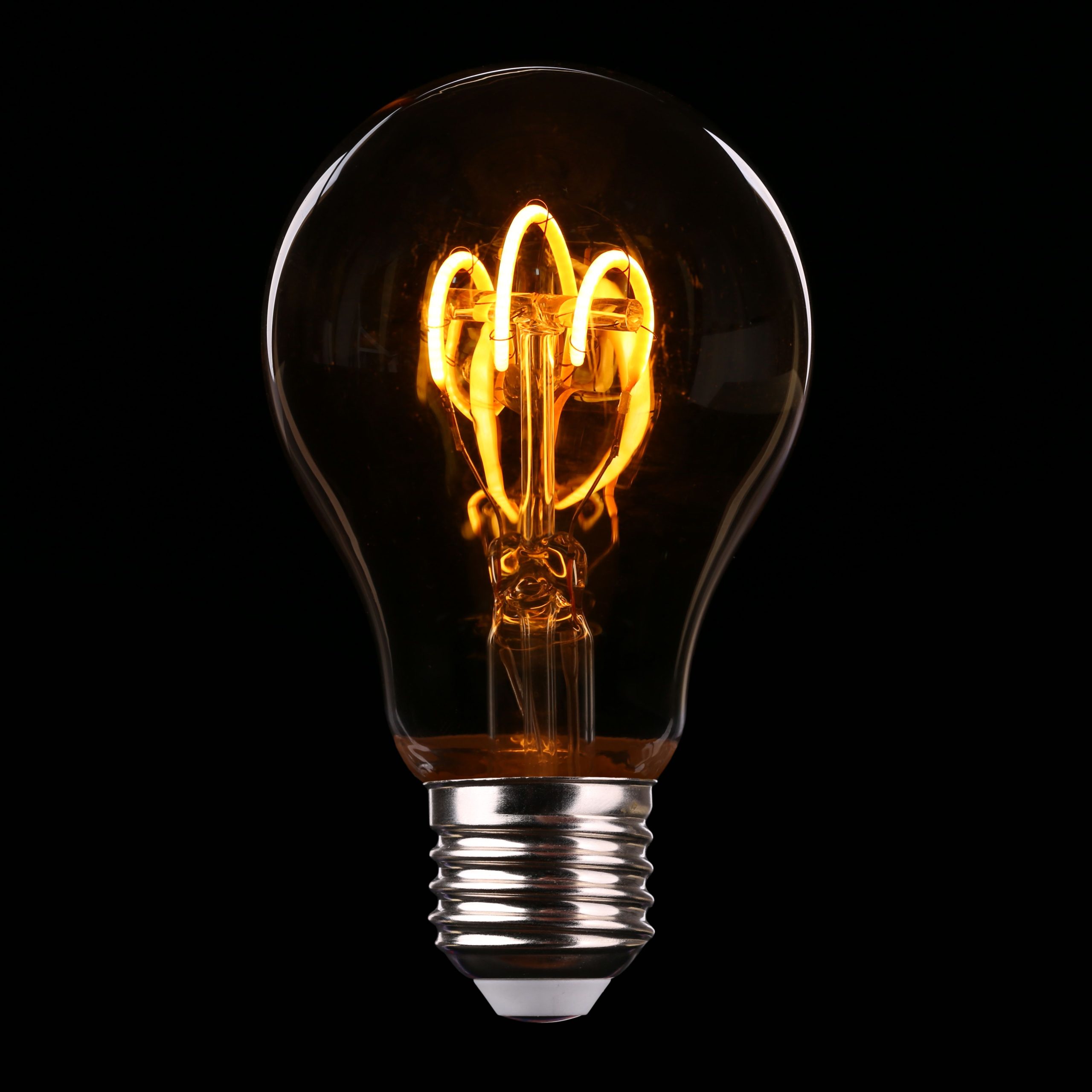
Smart Bulb Lifespan: How Long They Last and What Shortens It
Smart lighting gets talked about a lot in the context of colour, voice control, and automation. What gets talked about less is smart bulb lifespan — how long smart bulbs actually last, why they fail, what shortens their life significantly, and whether the failure rate justifies the cost compared to standard LED bulbs.
This matters more than most buying guides acknowledge. A smart bulb that costs $15 and lasts two years isn’t necessarily better value than one that costs $25 and lasts seven. The numbers change a lot depending on how you use them and where you put them.
What Smart Bulbs Are Made Of and Why It Matters for Longevity
A smart bulb combines an LED array (the actual light source) with a wireless radio (WiFi, Zigbee, or Bluetooth) and a control circuit. Each of these components has its own failure modes and its own rated lifespan.
The LED array itself is the most durable part. According to the US Department of Energy, quality LEDs are rated for 25,000–50,000 hours. Quality LEDs are rated for 25,000–50,000 hours of use. At 3 hours per day, that’s 22–45 years. The LEDs almost never fail first.
The wireless radio and control circuit are more vulnerable. They generate heat, they’re affected by temperature cycling (turning on and off), and they’re often packed into a small form factor with inadequate thermal management in budget models. The control circuit failing — the bulb turns on but won’t connect, or won’t respond, or resets itself — is the most common failure mode in smart bulbs.
The third factor is heat from the fixture. Bulbs in enclosed fixtures (sealed glass shades, recessed cans without adequate airflow) run significantly hotter than bulbs in open fixtures. Heat is the primary enemy of electronics. A bulb rated for 25,000 hours in an open fixture might last 8,000–10,000 hours in a hot enclosed fixture.
Typical Lifespan by Brand Tier
Premium tier (Philips Hue, LIFX) — typically rated for 25,000 hours with meaningful thermal management built in. Real-world failure rates are low enough that most users replace Hue bulbs because they want to upgrade rather than because they failed. The five-year warranty on Hue bulbs reflects genuine confidence in the hardware.
Mid-tier (WiZ, Kasa, Nanoleaf Essentials) — usually rated 15,000–25,000 hours. Quality control is less consistent than premium tier. Some batches are excellent; some have higher early failure rates. Generally fine for standard use in open fixtures.
Budget tier (no-name marketplace brands) — rated lifespan figures are often aspirational rather than measured. Thermal management is typically minimal. Real-world lifespans vary widely — some last years, some fail within months. The risk isn’t worth the price saving for anything other than temporary or decorative use.
What Shortens Smart Bulb Life
Enclosed fixtures. The biggest single factor. If your smart bulbs are in a sealed glass pendant, a fully enclosed ceiling rose, or a recessed downlight can without a heat sink, expect significantly shorter life. The solution is either using bulbs rated for enclosed fixtures (check the packaging — this is explicitly listed) or switching to open fixtures.
Frequent on/off cycling. Turning lights on and off many times per day creates thermal stress. A bulb that’s on for 8 hours and off for 16 hours lasts longer than one that cycles on and off every 20 minutes. Motion-activated lights in high-traffic areas tend to have shorter bulb lifespans for this reason.
High-voltage fluctuations. Older homes with unstable mains voltage stress smart bulb electronics. A surge protector on smart home circuits helps, though it’s rarely discussed.
Always-on standby power. Smart bulbs draw a small amount of power even when “off” to maintain the wireless connection. This standby draw generates heat continuously. In a hot enclosed fixture with poor ventilation, even the standby heat contributes to shortened life.
Smart Bulbs vs Standard LEDs: The Real Lifespan Comparison
A quality standard LED bulb costs $3–5 and is rated for 15,000–25,000 hours. A quality smart LED bulb costs $10–25 and is rated similarly.
In practice, standard LED bulbs tend to reach their rated lifespan more reliably because they have simpler electronics and better thermal headroom. Smart bulbs of equivalent quality often have similar lifespans but more failure modes — the radio or control circuit can fail even when the LEDs are still functional.
The honest conclusion: if lifespan is your primary concern, standard LEDs win. If the features of smart bulbs — dimming, colour temperature, scheduling, voice control — are worth paying for, a premium smart bulb from a reputable brand should last long enough to justify the cost. Budget smart bulbs are genuinely risky if longevity matters.
Getting the Most Life Out of Smart Bulbs
Use open fixtures where possible, or use bulbs specifically rated for enclosed use. Check the airflow around recessed fixtures — a correctly installed downlight with a heat sink runs much cooler than one stuffed into a small ceiling can.
Choose the right protocol for the use case. WiFi bulbs have higher standby power and more heat generation than Zigbee or Thread alternatives. In hot or enclosed fixtures, Zigbee bulbs tend to last longer.
Don’t dim to very low levels for extended periods on dimmer-incompatible bulbs. Smart bulbs dim digitally and handle it fine; the caution is for any smart dimmer switch paired with bulbs not rated for it.
Keep firmware updated. Smart bulb manufacturers occasionally release firmware that improves thermal management and power regulation. The difference is usually minor but can extend life in marginal installations.

Conclusion
Smart bulb lifespan is largely determined by three things: the quality tier of the bulb, the fixture type it’s used in, and how often it’s switched on and off. Premium bulbs in open fixtures with moderate cycling will last years without problems. Budget bulbs in enclosed fixtures with frequent cycling are a recipe for early failure.
The practical advice: spend more per bulb than you think you need to, use them in appropriate fixtures, and check the enclosed fixture rating if that’s relevant to your installation. The smart features are worthless if the bulb fails in 18 months.