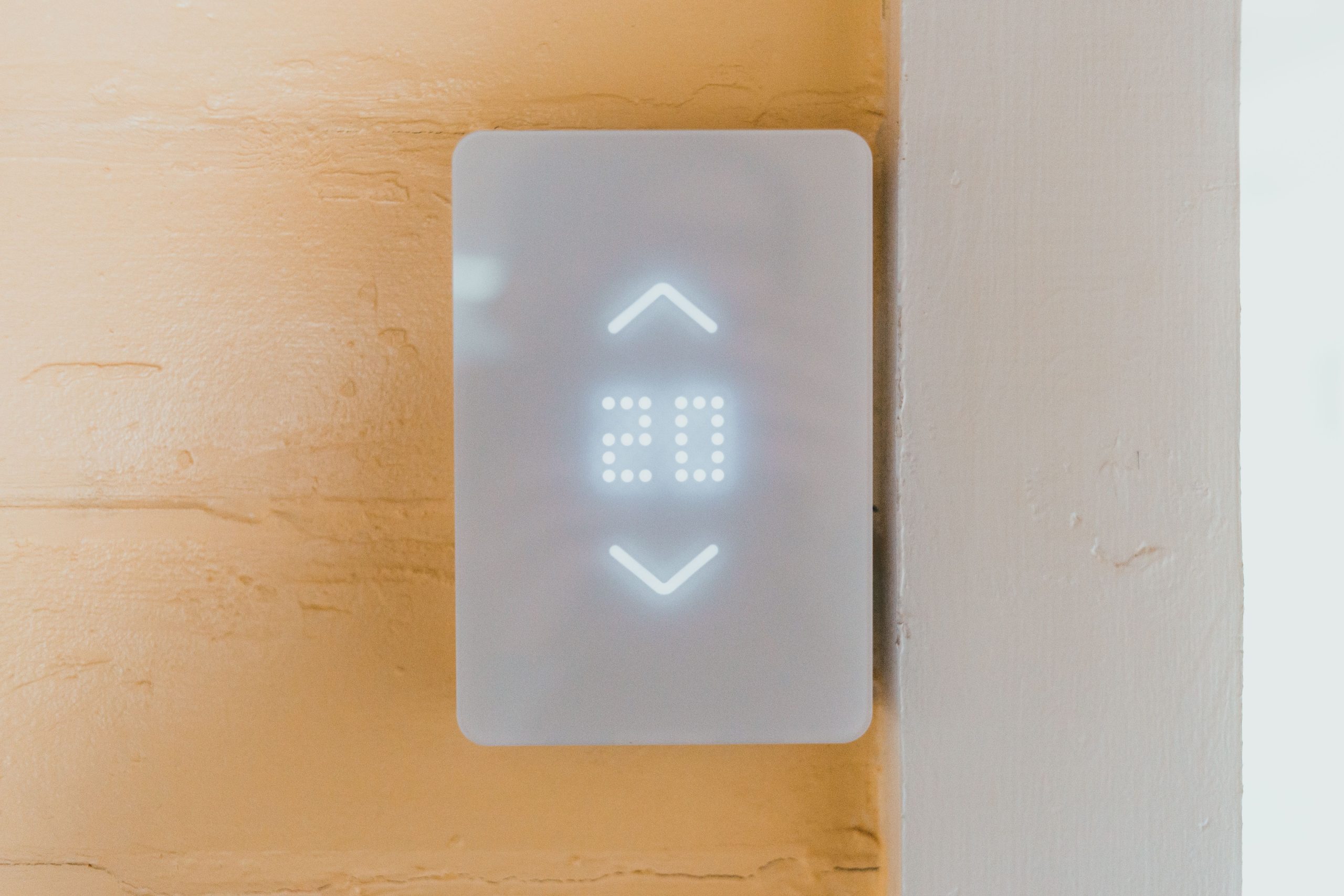
Do Smart Thermostats Save Money? The Honest Answer
It’s one of the most common — and most justified — questions in smart home buying: do smart thermostats save money? The marketing answer is enthusiastic and full of percentages. The honest answer is more useful, and more nuanced.
Yes, smart thermostats genuinely save money for most households — typically around 10–15% on heating and cooling costs. But here’s what the marketing doesn’t lead with: about one in five homes sees little to no savings at all, and whether you fall in the saving group or the non-saving group depends on factors that have nothing to do with how clever the thermostat is.
This guide explains how smart thermostats actually save money, what the real numbers look like, when they pay off, and — crucially — when they don’t. Written without any product to sell you.
How a Smart Thermostat Saves Money in the First Place
To understand whether you’ll save, you need to understand what the savings come from. There are really only three mechanisms:
1. They avoid heating or cooling an empty house. Most savings come from the simplest thing: not running the HVAC when no one is home. A smart thermostat does this automatically through schedules, geofencing (detecting when your phone leaves the house), or occupancy sensors. If you currently leave your heating or A/C on while you’re at work, this single change is where most of the savings hide.
2. They learn your patterns. Modern smart thermostats from brands like Nest and Ecobee observe how your home responds to temperature changes — how fast it warms up, how long it holds heat — and adjust pre-heating or pre-cooling so your HVAC runs less while still hitting your target temperature when you want it.
3. They give you visibility. You can finally see how often your system runs, when energy is being wasted, and how small habit changes show up on the bill. Awareness alone changes behaviour for many people.
That’s the whole mechanism. There’s no magic. The thermostat is doing what a disciplined person with a programmable thermostat could do manually — but most people don’t.
The Real Numbers
When you cut through the marketing, the consistent finding across independent studies is:
- Average savings: 10–15% on heating and cooling costs
- Typical dollar amount: $50–$140 per year, depending on your home, climate, and energy prices
- Payback period: 2–4 years for the thermostat itself, depending on the model and your savings
That’s the “yes” part of the answer. Now the “but”:
- Roughly 20% of households see little or no savings. This isn’t a marketing footnote — it’s a consistent finding in user data. The thermostat works as advertised; their home or habits simply don’t have much room for it to optimise.
- Manufacturers cite higher numbers (sometimes “up to 26%” for heating). These figures usually compare against the worst-case baseline — a home with no thermostat schedule at all. If you already use a programmable thermostat well, your real-world savings will be smaller.
The honest framing: smart thermostats save money for most people, modestly, over years. They are not a dramatic financial transformation. They are a small, persistent efficiency upgrade.

When Do Smart Thermostats Save Money? Real Cases
A smart thermostat is most likely to save you real money if:
- Your home is empty for hours every day. Commuters and people who travel often gain the most. There’s just more wasted heating/cooling to recover.
- You have central heating or central A/C. Smart thermostats are built around forced-air systems. The biggest savings come from these setups.
- Your routine is irregular. If you don’t run a tight schedule manually, automation captures savings you’d otherwise miss.
- Your energy is expensive. A 10% saving on a $200/month winter bill is meaningful. A 10% saving on a $40 bill is barely noticeable.
- You’ll actually use the features. Connect it to your phone, set up schedules, let it learn. A smart thermostat used as a basic on/off dial wastes most of its potential.
For households in this group, a smart thermostat typically pays for itself in 2–4 years and continues quietly saving money after that. Worth it.

When They Don’t Save Much
Here’s the part that most articles skip. A smart thermostat is unlikely to save you meaningful money if:
- You’re already disciplined with a programmable thermostat. If you religiously set back your temperature when you leave and at night, you’re already doing manually what the smart thermostat would automate. Real-world studies show this group sees the smallest gains.
- Someone is home all day. Remote workers, retirees, families with small children — the “nobody is home” optimisation simply doesn’t apply.
- You have radiators, baseboard heat, or other non-central systems. Smart thermostats work poorly with these. Some don’t work at all. Compatibility is the first thing to check.
- Your home is small, well-insulated, or in a mild climate. There’s not much energy use to optimise. A 10% saving on a small bill is small money.
- Your wiring is incompatible. Many older homes lack a C-wire (a common power wire that smart thermostats often need). You can work around it, but installation gets more complicated and may need an electrician.
This isn’t five edge cases — between them, they describe a significant slice of US homes. Be honest about which group you’re in before buying.
How Much Does It Actually Cost?
A bit of basic maths helps put the savings in perspective.
- Thermostat itself: $100–$280 for the popular models (Nest Learning, Ecobee Premium, Honeywell Home).
- Installation: $0–$200. DIY is fine if your wiring is straightforward; an electrician is needed if you lack a C-wire and don’t want to use an adapter.
- Annual savings: $50–$140 for most US households (less in mild climates, more in extreme ones).
Run the numbers honestly: a $200 thermostat with $100 in installation, saving $80/year, pays back in just under four years. After that, it’s quietly making you money — but it’s not transforming your finances.
What Else to Consider Before Buying
Money isn’t the only reason to buy a smart thermostat, and pretending it is misses half the point. Honest non-financial benefits include:
- Comfort. Pre-heating or pre-cooling means your home is the right temperature when you walk in, without leaving the system running all day.
- Remote control. Forgot to turn down the heat before a trip? Adjust it from your phone. This sounds trivial; in practice, it’s the feature most owners use most.
- HVAC visibility. Many smart thermostats track system runtime and flag issues — a furnace running far longer than usual, for example — sometimes catching problems before they become repairs.
- Voice and routine integration. A thermostat that ties into Alexa or Google Home becomes part of a larger automation: “Goodnight” turns off the lights, locks the doors, and drops the temperature.
There’s also a real trade-off worth naming: most popular smart thermostats are cloud-dependent. Their best features — learning, geofencing, remote control — usually need an internet connection. If the manufacturer’s servers go down, or the company discontinues support down the line, the smart features can degrade. Local-control options exist (some thermostats work with Home Assistant or other local platforms), but they’re a smaller share of the market.
Conclusion
So — do smart thermostats really save money? Yes, for most households, modestly and over years. Around 10–15% off heating and cooling costs is a realistic expectation, with a payback of two to four years on the device itself. After that, the savings keep accruing in the background.
But “yes” is the honest answer only if your home fits. If you’re frequently away, run central HVAC, pay high energy prices, and will actually use the features, a smart thermostat is one of the better-value smart home upgrades you can make. If your home is mostly occupied, you’re already disciplined with a manual thermostat, or your heating system is incompatible, the savings shrink to a rounding error — and the device is mostly buying you comfort, not money.
The trick is being honest with yourself about which group you’re in before the box arrives. Most regret in this category comes not from bad thermostats but from buyers who expected dramatic savings their situation was never going to deliver.
The savings math is fine, but it’s rarely why I’d recommend a smart thermostat — and it’s rarely why anyone actually keeps using one. The remote control alone justifies the purchase for most people: not having to wonder whether you left the heat on is worth something real. What I find underrated, though, is the cloud-dependency angle. Your thermostat controls something as fundamental as whether your home is warm in January — and most of the popular options hand that control to a server somewhere that could go offline, get discontinued, or change its privacy terms without much notice. That’s a different kind of risk than a smart bulb going dumb. If you want the automation without that exposure, local-control options via Home Assistant exist, but they require more setup than most buyers want to deal with. The honest framing: buy it for the convenience, treat the savings as a bonus, and at least know what you’re trading away on the cloud side before you commit.