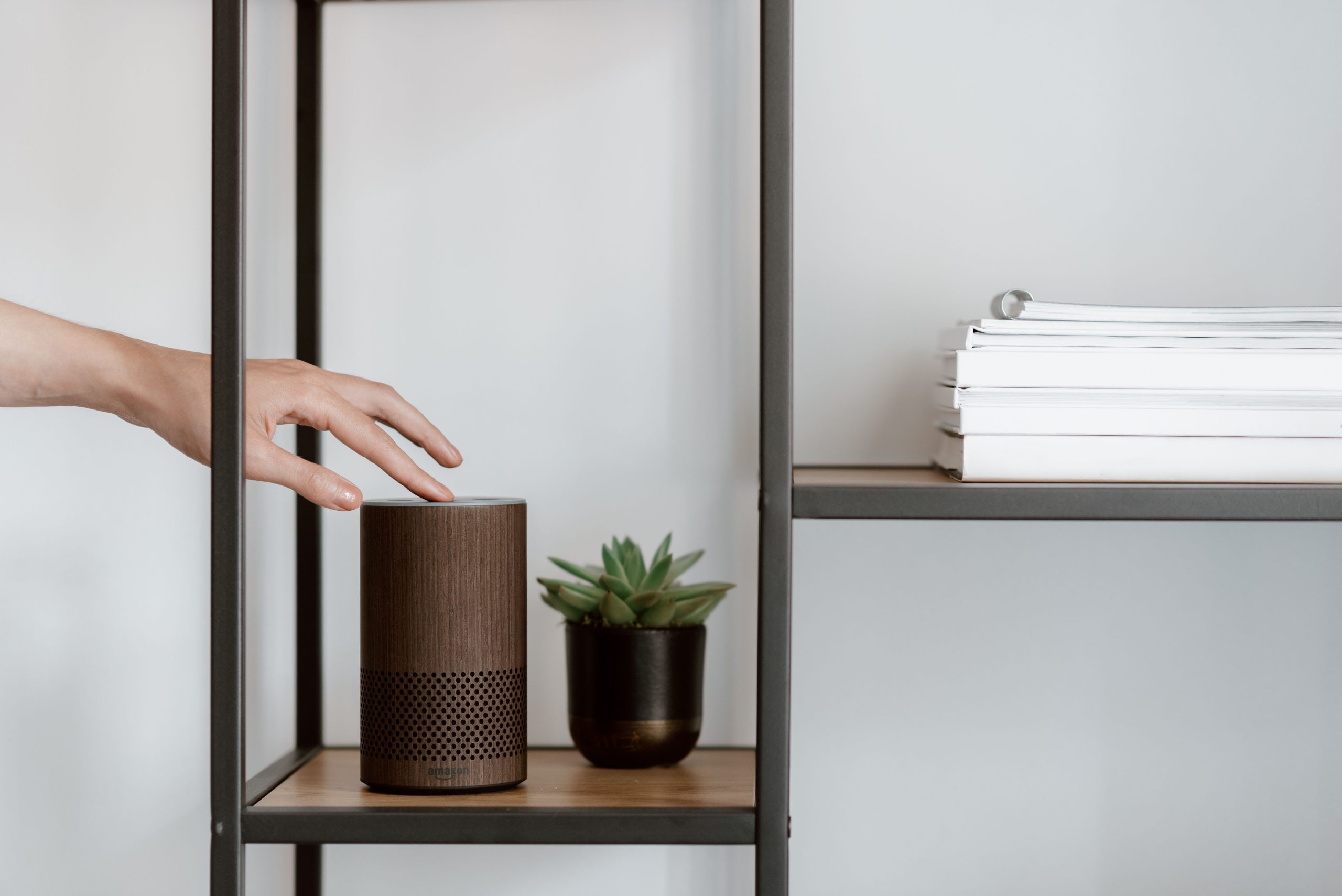
Alexa vs Google Home: Which Smart Home Assistant Is Right for You?
It’s the question almost every first-time smart home buyer eventually asks: should you put Alexa at the centre of your home, or Google Home? They’re the two dominant voice assistants on the market, they cost about the same, and on the surface they do the same things — answer questions, play music, control your lights. Pick wrong and you’ll spend the next year quietly wishing you’d gone the other way.
The honest news is that in 2026 the decision has changed. Both platforms have been rebuilt around generative AI — Amazon’s Alexa+ and Google’s Gemini for Home — and the old “Alexa = compatibility, Google = smarter answers” framing doesn’t quite hold anymore. The differences are real, just different from what they used to be.
This guide breaks down where each one genuinely wins in 2026, where each one falls short, and — based on how you actually live — which one is the right choice for your home.
The Short Answer
If you want one line to take away: Alexa wins on device compatibility and smart home breadth; Google wins on conversational intelligence and Google ecosystem integration. Both have closed the gap on the other’s traditional weakness, but neither has fully caught up.
The right pick almost never comes down to which assistant is “better.” It comes down to which ecosystem already surrounds you, and what you actually want a voice assistant to do.
How They Got Here (and Why 2026 Matters)
A quick bit of context, because it changes the recommendation.
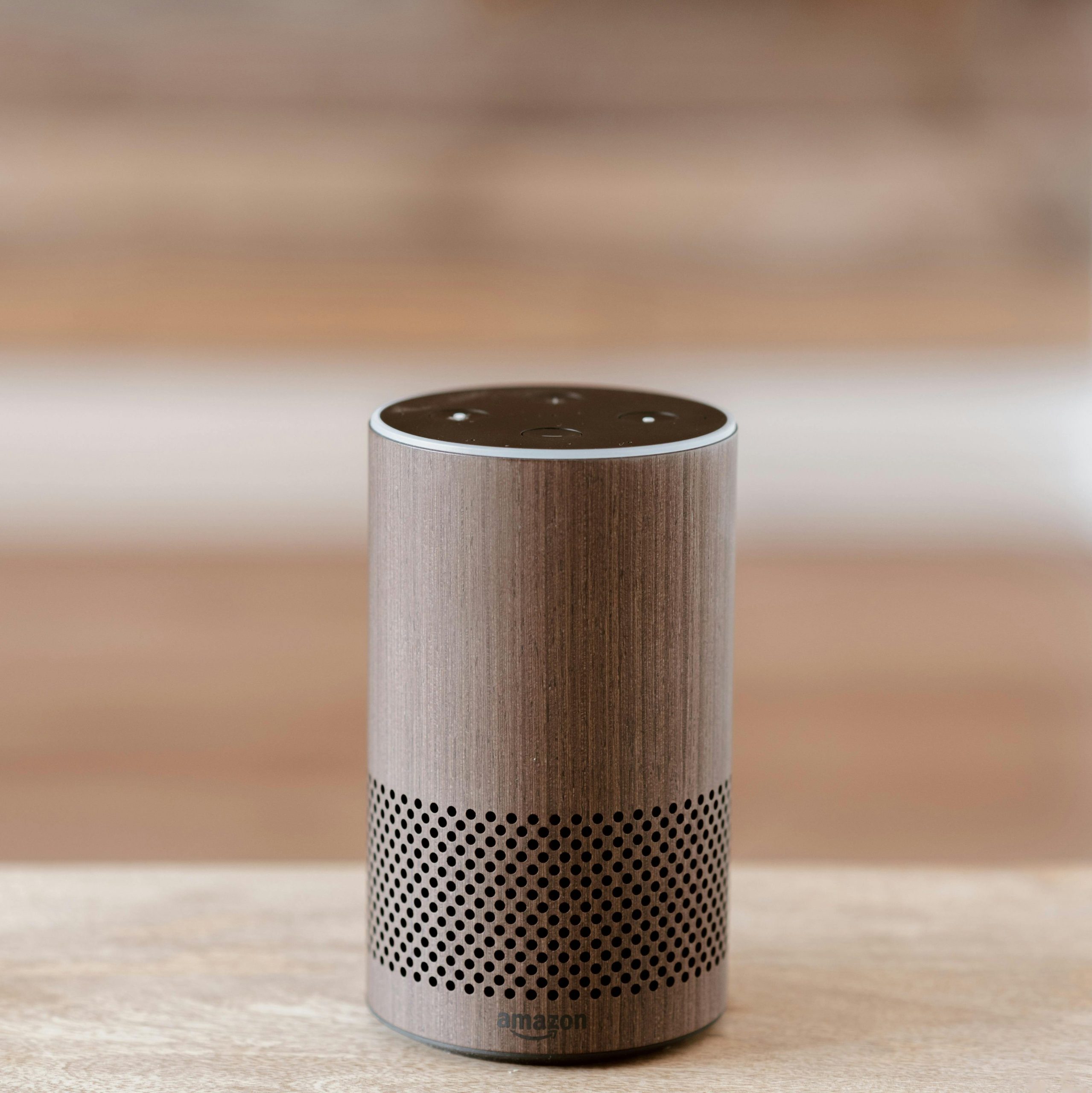
Alexa launched in 2014 and spent a decade building the broadest smart home ecosystem in the industry — over 100,000 compatible devices and an enormous install base. Its weakness was always intelligence: Alexa was great at “turn off the lights” but clumsy at conversation. In February 2026, Amazon rolled out Alexa+, a full generative-AI rebuild that finally addresses that gap. It’s free for Prime members and a paid add-on for everyone else.
Google Assistant always had the opposite problem: smarter answers, deeper context, fewer compatible devices. In late 2025 Google started replacing it with Gemini for Home, pushing further into natural conversation and reasoning.
Both platforms are mid-transition. That’s important: the assistant you buy into in 2026 is genuinely different from what you’d have bought two years ago. The old comparisons online don’t fully apply.
Device Compatibility
This is the area where the platforms diverge the most clearly.
Alexa still supports the widest range of third-party smart home devices on the market. If a smart device exists — a lightbulb, a plug, a lock, a thermostat from a brand you’ve barely heard of — there’s an excellent chance it works with Alexa. Newer Echo devices also include a built-in Zigbee hub, which simplifies multi-protocol setups; you can pair Zigbee devices directly without buying a separate bridge.
Google Home has narrower native compatibility, but the gap has shrunk meaningfully thanks to Matter, the cross-platform smart home standard. Matter-certified devices work natively on Google Home, and that includes a huge and growing share of new products. Google also has deeper integration with Nest (its own line of thermostats, cameras, and doorbells) and with Chromecast and Android.
The practical translation: if you’ve already filled your home with random budget smart plugs and bulbs from various brands, Alexa is the safer bet. If you’re starting fresh in 2026 and planning to buy Matter-certified devices anyway, either platform works, and Google’s narrower list stops mattering much.
Voice Recognition and Intelligence
Here the picture has genuinely shifted in 2026.
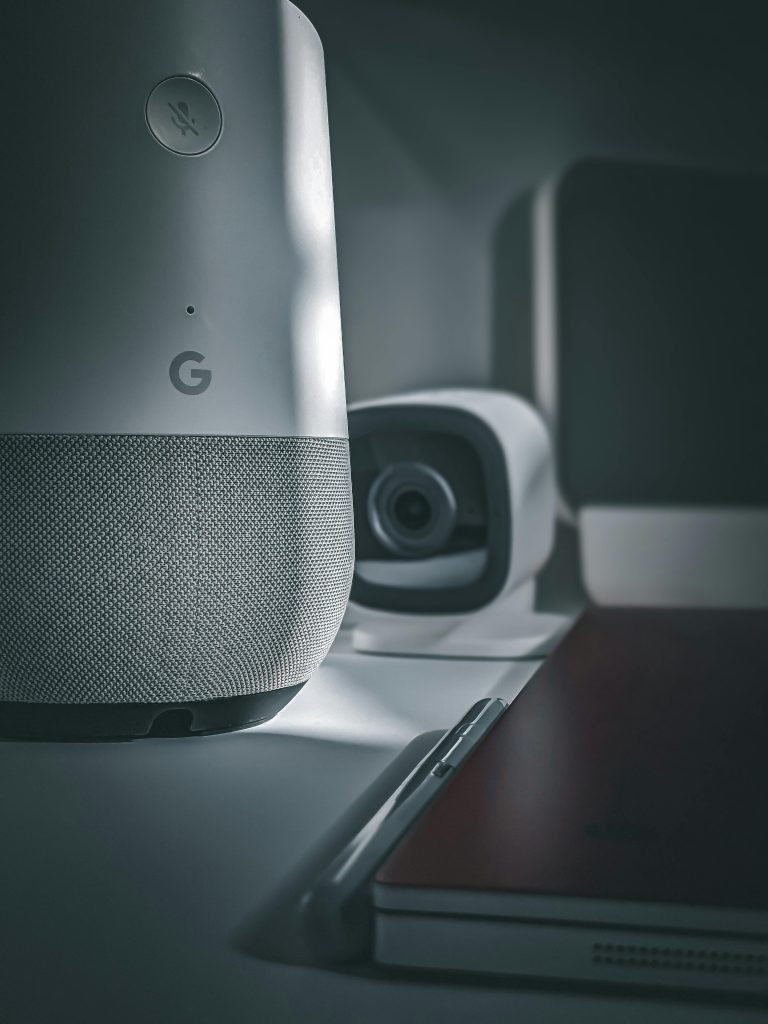
Before the AI upgrades, Google Assistant had a clear lead in conversational intelligence. Asking follow-up questions, handling context across multiple turns, interpreting natural phrasing — Google was simply better. Alexa worked best when you treated it like a command line.
With Alexa+ and Gemini for Home, both platforms now handle natural conversation, follow-up questions, and reasoning far better than before. But the relative lead remains:
- Google Home still feels more natural for free-flowing conversation and factual questions. Google’s search-engine roots show: ask about weather, sports, business hours, or general knowledge, and the answer is consistently more accurate and contextually aware.
- Alexa+ has closed an enormous gap and now handles natural language well — including agentic capabilities like booking restaurants and managing your schedule — but still leans toward direct commands as its strongest mode.
If your household uses the voice assistant primarily for information and conversation (kids asking homework questions, casual queries, follow-ups), Google still has the edge. If you use it primarily to command devices and run routines, Alexa is more than competitive.
Routines, Automation, and Smart Home Control
Both platforms support routines — sequences of actions triggered by a phrase, a time, or another event. (“Good morning” → lights on, blinds up, weather report.) Their philosophies differ slightly:
- Alexa Routines are more granular and offer finer-grained control. Power users tend to prefer Alexa for complex multi-device automations.
- Google Home Automations are simpler to set up and lean on Google’s contextual smarts to suggest improvements over time.
For most households the difference is small. For ambitious automators, Alexa tends to win on flexibility.
Privacy
Both companies collect voice data, and both have come under scrutiny for it. In 2026 the practical comparison is:
- Google Home offers somewhat more transparent privacy controls, including auto-delete options for voice recordings on a schedule.
- Alexa has similar deletion tools, but its default settings tend to retain more by default.
Neither platform is a privacy purist’s choice — both are cloud-dependent voice assistants from advertising companies. If privacy is a real priority for you, the honest answer is that Apple Home with Siri, or Home Assistant running locally, would serve you better than either of these. But within the Alexa-vs-Google frame, Google leans slightly more privacy-friendly.
Price and Hardware
Hardware pricing is close enough that it rarely decides the choice.
- Amazon Echo speakers cover everything from the small Echo Dot to the larger Echo Studio, with aggressive sales and frequent Prime Day discounts. The newer Echo Dot Max and Echo Studio focus on improving audio quality.
- Google Nest speakers and displays target similar price points, with the Nest Hub line emphasising visual interfaces.
If you care about audio quality first and smart features second, both platforms offer strong options at the higher end. If you just want a cheap voice point in every room, Alexa’s frequent discounting tends to make expansion cheaper.
Which One Is Right for You?
The real decision comes down to context. Here’s how to think about it:
Choose Alexa if:
- You already use Amazon Prime heavily and value the ecosystem integration
- You’ve collected a mix of budget smart devices from various brands
- You want the broadest compatibility with the widest range of third-party gear
- You want fine-grained control over complex routines and automations
- You like the option of a built-in Zigbee hub in newer Echo devices
Choose Google Home if:
- You’re an Android user, or live deep in Google’s services (Gmail, Calendar, Photos)
- You already own (or plan to own) Nest products — thermostats, cameras, doorbells
- You prioritise natural conversation and accurate answers to factual questions
- You’re starting fresh in 2026 and plan to buy mainly Matter-certified devices
- Privacy controls matter to you and you want more granular options
Honestly? Pick either if:
- You don’t strongly prefer one ecosystem over the other
- You’ll mostly use the assistant to control lights, play music, and ask the time
For the casual use case, the difference between Alexa and Google Home in 2026 is smaller than it has ever been.
Conclusion
Alexa vs Google Home used to be a sharp choice with clear trade-offs: Alexa for compatibility, Google for intelligence. In 2026, with Alexa+ and Gemini for Home, those trade-offs have softened in every direction — but they haven’t disappeared. Alexa is still the compatibility king and the better choice for ambitious smart home setups; Google is still the more natural conversationalist and the better fit for anyone already inside Google’s ecosystem.
The honest framing is this: most people will be happy with either. Pick the one whose ecosystem you already touch every day — the phone in your pocket, the email you already use, the photos already in the cloud — and that decision will quietly carry the rest. The “wrong” choice is rarely the wrong assistant; it’s choosing the one that fights against everything else you already own.
The AI rebuilds are real, but I’d caution against letting them reset the decision. Alexa+ and Gemini for Home are genuinely better than what came before — but “better at conversation” doesn’t mean “better for your home.” The more useful question in 2026 is still the same one it was in 2019: what ecosystem are you already in? If your phone is Android and your calendar is Google, fighting that current is a tax you’ll pay every day. If you’re Prime-heavy and already own a mix of devices, Alexa will feel like it belongs.
The deeper issue is one most comparison guides sidestep: both platforms are fundamentally cloud-dependent, and that dependency is a design choice you’re accepting, not just a technical detail. Your lights, your locks, your morning routine — all of it routes through someone else’s server. That’s fine for most people, most of the time, until it isn’t. If that tradeoff ever bothers you, no benchmark comparison will fix it. That’s when you start looking at Home Assistant — but that’s a different article.