Smart Home Lighting Ideas: What Actually Works and What to Skip
Lighting is one of the most visible ways smart home technology changes how a space feels. smart home technology changes how a space feels. But the gap between smart lighting that looks good in a product photo and smart lighting that actually improves your daily life is significant. This guide focuses on smart home lighting ideas that are genuinely worth implementing — not the most impressive, but the most useful.
Start With the Rooms Where Lighting Affects How You Feel
Not every room benefits equally from smart lighting. Hallways and bathrooms have simple needs — on or off, triggered by motion. The rooms where lighting makes the biggest experiential difference are the ones worth prioritising.
The bedroom is the highest-value room for smart lighting. Morning wake-up light that gradually brightens, evening light that shifts warm and dims, bedside control without getting up — these directly affect sleep quality and how you start each day. A couple of tunable white bulbs and a simple schedule does more here than any amount of colour-changing LED strips in a living room.
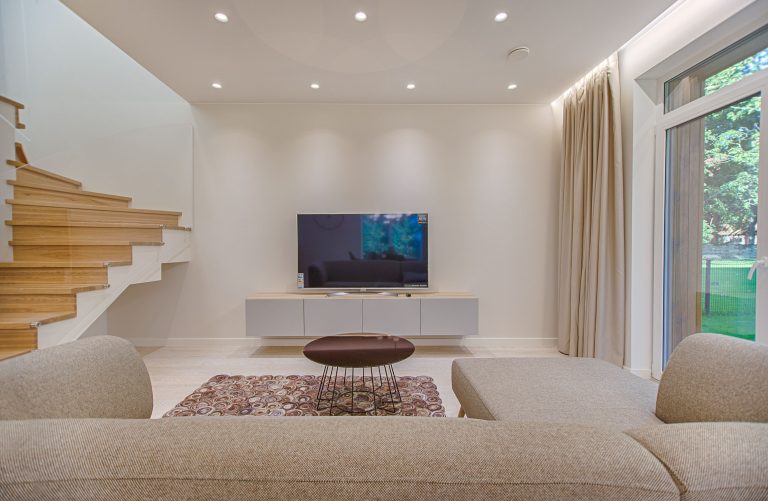
The living room is where scene control pays off. Different activities — watching TV, reading, having people over — each work better with different light settings. The ability to switch between them instantly, by voice or by a physical button that stays on the wall, makes the room feel intentionally designed rather than just lit.
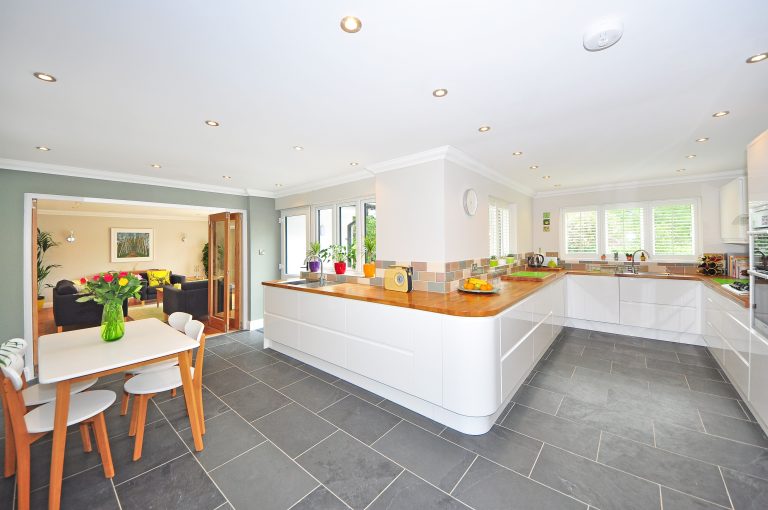
The kitchen benefits most from task lighting — specifically under-cabinet strips that provide direct light for food prep. This is one of the best rooms for smart lighting for practical reasons rather than mood ones.
Smart Home Lighting Ideas That Actually Change Daily Life
Gradual wake-up lighting
A light that starts at 1% warm amber 30 minutes before your alarm and slowly brightens to 70% cool white by the time it goes off. You almost certainly know this idea exists. Most people who know about it have never set it up. It takes about ten minutes and it works. You need tunable white bulbs — not colour-changing, just ones that can shift from warm to cool — and the “gradually adjust” option in your platform’s routine builder. See the detail on smart light colour temperature for which bulbs support this properly.
Sunset-triggered evening transition
Set your living room and bedroom lights to automatically shift warmer and dimmer at sunset. Not a fixed time — actual sunset, which changes throughout the year. Most platforms support this as a trigger. The light shift is subtle enough that people in the room don’t notice it happening, but the cumulative effect on how the evening feels is real. This is one of those automations that becomes invisible after a week, which is exactly the point.
Motion-activated hallway and stair lighting
A motion sensor that turns on hallway or stair lights at low brightness when triggered at night. Dim enough not to wake you up, bright enough to navigate safely. Set a condition so it only activates after sunset and turns off after 2 minutes. This is the automation that makes older family members feel significantly safer in the house at night, and costs about $30 in hardware to implement.
Reading mode
A dedicated scene for a bedside or living room lamp: bright, neutral white (around 4000K), focused on the reading area rather than the whole room. Triggered by voice or a physical button, turned off by voice when you’re done. The specificity — not just “lights on” but the right light for reading — is what makes smart lighting worth having.
TV bias lighting
A smart light strip behind your TV set to warm amber at low brightness. This is bias lighting — it reduces contrast fatigue by softening the transition between the bright screen and the dark room. Takes 20 minutes to set up, makes two-hour viewing sessions noticeably more comfortable. Pair it with a movie routine that sets it automatically when you start watching.
Kitchen under-cabinet strips
High-CRI LED strips under kitchen cabinets, motion-activated when someone’s in the kitchen, turned off automatically after a few minutes of no activity. Good task lighting makes cooking faster and less frustrating. Having it activate automatically removes one small decision from busy meal prep moments.
Smart Lighting Ideas to Avoid
Ceiling strip lighting around the perimeter of a room. Looks good in product renders, mediocre in real rooms. Strips at ceiling height create uneven pools of light and shadows rather than the ambient glow the photos suggest. Floor or shelf-level strips where the light source is hidden look better.
Colour-changing bulbs in every room. RGB colour bulbs are genuinely useful in the living room for scene changes. They’re largely pointless in the kitchen, bathroom, and home office where colour accuracy and consistent brightness matter more than mood effects. Use tunable white in most rooms; save full colour for the living room if you want it.
Removing physical switches in favour of app-only control. Smart bulbs need constant power to maintain their wireless connection. If the wall switch cuts that power, the bulb becomes unresponsive to all smart control until it’s switched back on. The fix — either smart switches instead of smart bulbs, or wireless battery buttons mounted over existing switches — is worth implementing before guests discover the problem for you.
Conclusion
The smart home lighting ideas that actually improve daily life are almost never the most dramatic ones. Gradual wake-up light, evening warmth, motion-activated night lighting, and task lighting in the kitchen — these work because they solve real problems that exist every day. The colour-changing party mode that looked impressive in the demo tends to get used once and then forgotten.
Start with one room, one problem, one automation. Get that working reliably before expanding. The lighting setups that last are the ones that become invisible — where you stop noticing the technology and just notice that the house feels right.