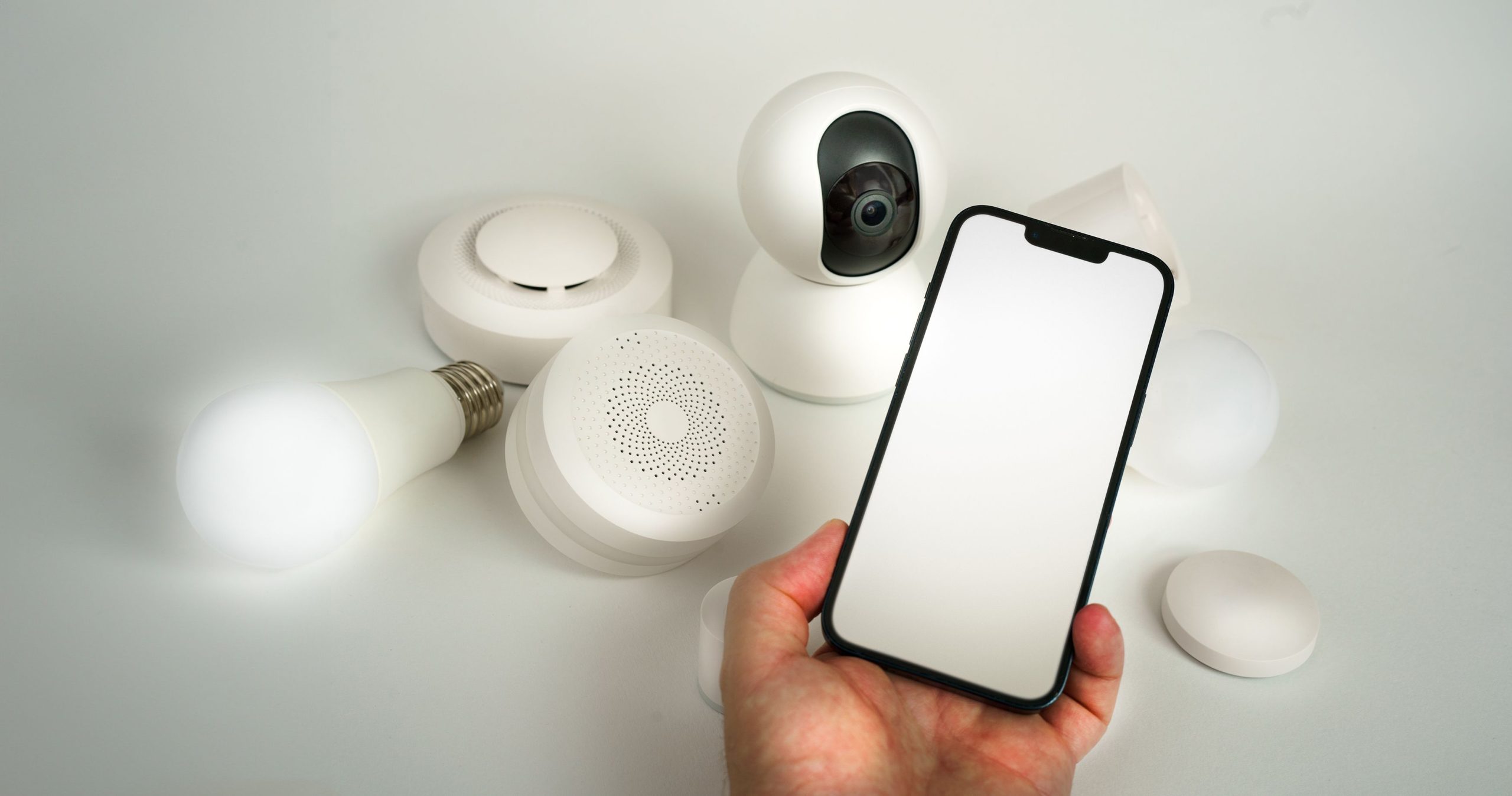
Is a Smart Home Worth It? An Honest Answer for 2026
The question sounds simple. The honest answer isn’t.
Yes, a smart home is worth it for a lot of people — and genuinely not worth it for others. Which group you fall into depends far less on the technology than on who you are, how you live, and what problem you’re actually trying to solve. The marketing will tell you it’s always worth it. The tech forums will make it sound thrillingly complex. Neither is the whole picture.
This guide gives you the honest version: what a smart home actually delivers, what it costs in money and effort, what the common regrets look like, and how to decide whether the investment makes sense for your specific situation — not for some imaginary ideal household.
What “Worth It” Actually Means
Before comparing pros and cons, it’s worth asking: worth it how?
Most people who consider a smart home are really asking one of three different questions:
- “Will it save me money?” — mostly on energy bills
- “Will it make my life more convenient?” — less friction in daily routines
- “Will it make my home safer?” — security, monitoring, alerts
These sound similar but point toward very different devices and very different answers. A smart thermostat is primarily about money. Smart lighting is primarily about convenience. A security camera is primarily about safety. Treating “smart home” as one thing — and expecting one blanket answer — is where most confusion starts.

The Real Upsides
Let’s be specific about where a smart home genuinely delivers.
Convenience that actually sticks. The features people use every day, long after the novelty wears off, are usually the simplest ones: turning off all the lights with one phrase before bed, getting a notification when a package arrives at the door, adjusting the temperature from the couch. These aren’t dramatic, but they’re real daily friction removed. Ask anyone who’s had a smart lock for two years what they’d miss most — it’s usually never fumbling for keys again.
Real (if modest) energy savings. Smart thermostats save most households somewhere around 10–15% on heating and cooling costs. Smart plugs eliminate standby power draw from devices that would otherwise run 24/7. Smart lighting means lights actually go off when rooms are empty. None of these are transformative on their own, but they compound. A household running smart thermostats, lights, and plugs can realistically trim $100–300 off their annual energy bills without changing how they live.
Security awareness that changes behaviour. A doorbell camera doesn’t prevent crime, but it does something useful: it tells you what’s actually happening at your front door. You stop wondering if the package was stolen. You know who rang the bell while you were out. Motion alerts shift your relationship to your home from passive to informed. Many people find this peace of mind genuinely worth the cost — not because they live in a dangerous area, but because not knowing is its own low-level stress.
Genuine accessibility benefits. This is underreported in mainstream coverage. For people with mobility limitations, chronic illness, or conditions that make physical tasks difficult, smart home technology isn’t a nice-to-have — it’s a significant quality of life improvement. Voice-controlled lighting, app-operated locks, automated routines that remove repeated manual tasks: for the right person, this is where the ROI is most clear.
A home that’s easy to leave. Routines that run when you walk out the door — lights off, thermostat back, door locked, security armed — quietly eliminate the “did I leave the stove on?” anxiety. If you travel frequently, the value of a smart home is concentrated here.

The Real Downsides (The Honest Part)
Here’s what the marketing doesn’t lead with.
The upfront cost is real. A single smart bulb costs $10–25. A smart thermostat, $100–250. A doorbell camera, $80–200. A starter kit across a few rooms adds up faster than people expect — $300–800 before you’ve made a serious dent in a whole home. The devices often pay for themselves over time, but that payback takes years, not months.
Setup takes more time than the box suggests. Smart home products have gotten easier, but “easy” is relative. Connecting devices, setting up automations, troubleshooting incompatibilities — these are real time investments. If you set it up once and it works perfectly forever, the time cost is acceptable. Most homes don’t experience that. Budget for occasional maintenance.
Maintenance is the hidden cost nobody mentions. Firmware updates that break a working integration. A company discontinuing a product. An app that requires a re-setup after your phone resets. Smart home devices need more ongoing attention than dumb ones. The more devices you have, the more often something is slightly broken. For most people this is a minor annoyance; for some it becomes a genuine burden.
Cloud dependency is a real risk. Most mainstream smart home devices — from Alexa to Google Home to most smart bulbs — route their core functions through the manufacturer’s cloud. When that cloud goes down, features fail. When a company closes, or changes its pricing model, or simply decides to discontinue a product line, your devices can become expensive paperweights. This has already happened to customers of Insteon, Wink, and other platforms that shut down. It will happen again. If this risk bothers you, it’s worth building around platforms that prioritise local control — or accepting the risk knowingly.
It works best when everyone in the household is on board. A smart home designed around one person’s preferences can frustrate everyone else. Lights that turn off automatically when a room “seems empty” based on motion sensing are a feature until your partner is sitting still reading and the lights cut out. Routines that make sense to the person who set them up can feel arbitrary or broken to others. The social contract of a smart home matters as much as the technology.
Privacy is a real trade-off, not just a talking point. Smart home devices collect data about your behaviour — when you wake up, when you leave, when you’re home, how warm you like your house. That data goes to the manufacturer’s servers. For most people most of the time, this is an abstract concern they’re comfortable accepting. For some people it’s a concrete reason to avoid cloud-connected devices entirely, or to build around local control platforms. Neither position is wrong; the important thing is making the choice consciously rather than not thinking about it.
Who It’s Worth It For
Honest matching:
A smart home is likely worth it if:
- You travel or commute regularly and an empty house wastes energy
- You’d genuinely use the automation (not just play with it for two weeks)
- At least one person in the household is patient with initial setup
- You’re a renter who can start small with bulbs and plugs — no wiring changes needed
- Energy savings over 3–5 years are meaningful to your budget
- You have accessibility needs that smart home tech can address
A smart home is likely not worth it if:
- You’re home most of the day and the “empty house” savings don’t apply
- You want it to work instantly, perfectly, without maintenance
- You’re hoping it will significantly increase your home’s resale value (it might, marginally, but don’t build your budget around it)
- The privacy trade-off genuinely bothers you and you haven’t researched local-control options
- Everyone in your household would find the learning curve more annoying than the outcome is useful
How to Start If You Decide It Is Worth It
The right move for most people isn’t to transform the whole house at once — it’s to start with one problem and solve it.
Pick the genuine friction point in your daily life. Is it leaving the lights on? Start with two smart bulbs in the room you use most. Is it never knowing if you locked the door? Start with a smart lock. Is it energy bills? Start with a smart thermostat.
Try it for three months. If it reduces friction and you stopped thinking about it (meaning it just works), expand. If you find yourself fiddling with it more than using it, stop there and know something useful: you prefer the simpler version of your home.
The smart homes that work long-term are almost always the ones that grew gradually from genuinely useful starting points — not the ones that tried to automate everything at once.
Conclusion
So — is a smart home worth it? For most households, selectively and gradually, yes. The convenience is real, the energy savings are modest but real, and the security awareness is genuinely useful. The maintenance burden is also real, the cloud dependency is a real risk, and the setup time is real.
The honest frame isn’t “smart home vs no smart home.” It’s “which specific problem am I trying to solve, and is there a smart device that solves it reliably without creating new problems I don’t want?” Ask that question device by device and you’ll spend less, regret less, and end up with a home that’s actually smarter — rather than just more complicated.
The “start with one problem” framing is the right one, but there’s a version of it nobody says out loud: the problem you start with reveals whether you actually want a smart home, or just want the idea of one. Most people who end up with a drawer full of half-configured devices didn’t buy the wrong products — they bought before they had a real friction point to solve. The other thing I’d add is that cloud dependency isn’t just a technical risk, it’s a financial one. You’re not buying a thermostat for $200 — you’re buying access to its smart features for as long as the company decides to keep the lights on. That’s a different calculation, and most people don’t make it consciously. Convenience alone is a perfectly valid reason to buy into this — I’m not going to pretend otherwise — but it’s worth knowing whether you’re buying a product or a subscription dressed up as one.