Smart Light Strips: What They’re Good For and What to Buy
LED light strips have been around for years, but the smart versions have gotten genuinely good recently in a way that older models weren’t. If you pick the right strip and put it in the right place, smart light strips can do something standard bulbs just can’t — create light from unexpected angles, highlight architecture, or completely change how a room feels without any visible light source in sight.
This guide is for people who want to understand what they’re buying before they spend money on strips that end up peeling off the wall or losing connection every few days.
What Smart Light Strips Actually Are
A smart light strip is a flexible LED circuit board with LEDs along its length, an adhesive backing, and a wireless controller that lets you change colour, brightness, and schedule from your phone or a voice assistant.
Most strips now come in RGB or RGBIC — and the difference matters more than most people realise. Standard RGB strips change the whole length to the same colour at once. RGBIC strips have individual chips along the length so different sections can show different colours simultaneously. That’s what creates the gradient effects you see in product photos. If those effects appeal to you, RGBIC is what to look for. If you just want a warm white backlight behind your TV, standard RGB is cheaper and perfectly adequate.
Where They Actually Make Sense
Strips work best as accent lighting — not as a replacement for overhead lights or lamps. They’re at their best when hidden and you see the glow rather than the strip itself.
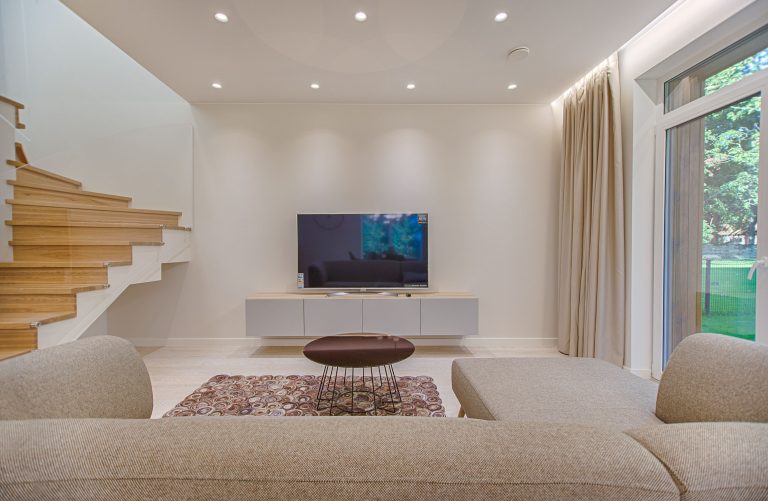
Behind a TV is the most popular use and genuinely worth it. Bias lighting — a soft glow behind the screen that matches what’s playing — reduces eye strain in dark rooms. Govee makes kits with a small camera that reads your screen colour in real time, which is the most immersive version. A basic warm white strip is simpler and honestly looks better for most content. Either way this is one of the highest-value placements you can do.
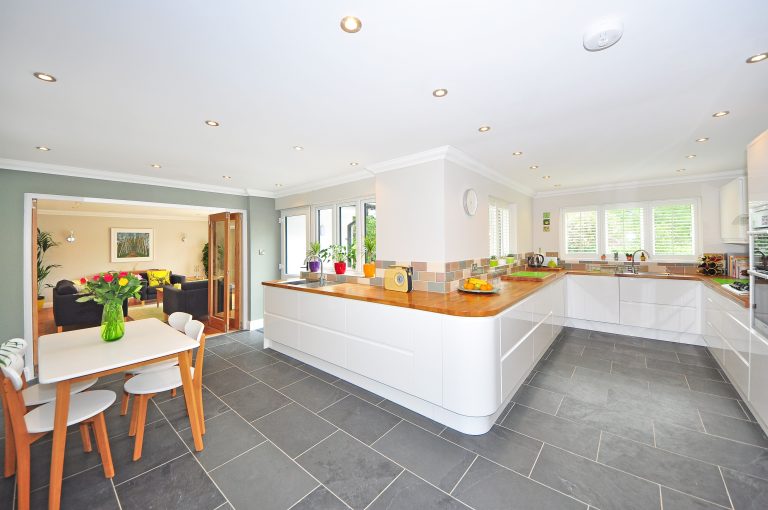
Under kitchen cabinets is probably the most practical placement. Good task lighting under the cabinets genuinely helps when you’re cooking, and a strip hidden under the cabinet lip looks intentional rather than decorative. For this use, look for high CRI — ideally 90+. Cheap strips often sit around CRI 70, which makes food look grey and unappetising. Worth paying more here specifically.
Along shelves or behind furniture works well for bedroom and living room mood lighting. A strip along the back of a floating shelf or behind a headboard adds depth without visible hardware. The key is the strip itself has to be hidden — if you can see the actual LED dots, the effect looks much cheaper than if you just see the glow.
Stair lighting is visually impressive and practically useful. Motion-activated strips that glow at low brightness at night mean you can navigate without turning on full lights. More setup involved, but one of those automations that becomes invisible once running and you use every night without thinking about it.
Smart Light Strips and Your Ecosystem
Most budget strips run on Wi-Fi with their own app and also connect to Alexa and Google Home via third-party integrations. That works fine for basic control, but the strip lives in a separate app rather than properly integrating with your routines and automations.
If you want strips that work natively inside your smart home platform, the options narrow. Philips Hue Lightstrip Plus integrates fully with Hue and therefore with HomeKit, Alexa, and Google Home. Nanoleaf strips support Matter natively, which means they work across all platforms without bridging. Both cost two to three times more per metre than budget alternatives.
Practical answer: Govee or LIFX if you just want the effect and don’t need deep integration. Hue or Nanoleaf if proper platform integration matters and you’re willing to pay for it.
Specs That Actually Matter
Lumens per metre — for task lighting under cabinets you want at least 400–500 lumens/m. For accent lighting behind a TV or along shelves, 200–300 is plenty. Marketing often quotes total lumens for the full strip — divide by the length to get numbers you can actually compare.
CRI (Colour Rendering Index) — 90+ for anywhere near food or skin tones. 70–80 is fine for purely decorative use where colour accuracy doesn’t matter.
IP rating — if the strip is going anywhere near moisture, you need IP65 or higher. Indoor-only strips have no water resistance and will fail quickly in humid environments.
LED density — more LEDs per metre means smoother, more even light without visible hotspots. Cheaper strips with lower density produce a dotted effect rather than a clean line of light.
Installation Mistakes Worth Knowing About
The adhesive backing works fine on smooth, clean, unpainted surfaces. On textured walls or painted drywall it will eventually fail. The fix is aluminium mounting channels — profiles the strip sits in, then screwed to the surface. They look dramatically better than bare strips, hide the wiring cleanly, and hold securely regardless of surface. A few dollars per metre and completely worth it.
Corners are the other common failure point. Most strips can be cut at marked intervals and reconnected with extension cables or right-angle connectors. Bending a strip around a sharp corner without cutting it tends to damage the circuit over time and causes sections to stop working.
Plan your power supply before planning your run length. Every strip has a maximum length from a single controller before voltage drop makes the far end noticeably dimmer. For most 12V strips this is around 5 metres. Longer runs need a second power injection point or a strip designed for extended distances.
Are Smart Light Strips Worth It?
Smart light strips are genuinely better than they were a few years ago and worth having in the right places. TV backlight and under-cabinet are the most consistently useful placements. The bedroom accent case depends on whether you’ll maintain the automations or gradually ignore them.
Buy RGBIC if you want different sections in different colours. Buy high CRI if it’s near food. Plan for mounting channels rather than relying on adhesive alone. Match the strip to your ecosystem if that matters to you — or you’ll end up with a Govee account you open three times a year.
The mistake people make most is treating strips as a replacement for real lighting. They’re not — they’re accent lighting, and they work best when doing one specific job well rather than trying to light an entire space by running a strip around the ceiling perimeter and hoping for the best.