Smart Home Beginner Mistakes: The 8 Most Common and How to Avoid Them
Most people who give up on smart home technology — according to industry research, in the first few months aren’t making complicated mistakes — they’re making the same handful of predictable ones. Understanding these before you start saves money, prevents frustration, and means you end up with a setup that actually gets used rather than a collection of devices that seemed like a good idea at the time.
These are the smart home beginner mistakes that come up most consistently, along with what to do instead.
Mistake 1: Buying Devices Before Choosing an Ecosystem
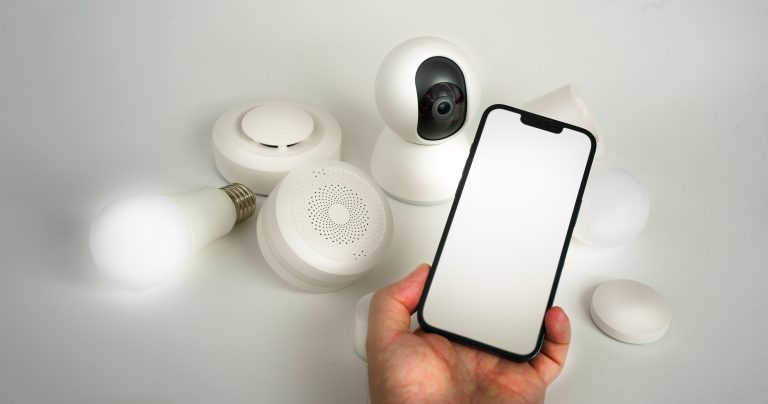
This is the mistake that causes the most long-term pain. You see a smart plug on sale, buy it, then later buy bulbs from a different brand, then a thermostat from a third — and end up with four different apps that don’t talk to each other and can’t be coordinated in a single automation.
Pick your ecosystem first: Amazon Alexa, Google Home, or Apple Home. Base it on the phone you use — that’s the most reliable tiebreaker. Then buy devices that work natively with that ecosystem. Check the product page before purchasing, not after.
We covered the full comparison in our Google Home vs Alexa guide and the broader smart home for beginners guide.
Mistake 2: Starting With Too Many Devices at Once
Buying a whole-house kit — 12 bulbs, 4 plugs, 2 sensors, a speaker, and a thermostat — before you know whether you’ll actually use any of it. This happens because starter kits look like good value and it feels efficient to set everything up at once.
The problem: setup complexity scales with device count. One device that’s misbehaving is easy to troubleshoot. Five devices that need configuring across three rooms while you’re learning a new platform is overwhelming. And if you discover the ecosystem doesn’t fit how you live, you’ve wasted significantly more money.
Start with one device in the room you use most. Live with it for two weeks. If you actively use it and it improves something real, expand. If it sits unused, you’ve learned that for $15–30 rather than $300.

Mistake 3: Removing Physical Switches
Smart bulbs need constant power to maintain their wireless connection. A wall switch that cuts power to a smart bulb makes that bulb unresponsive to all app and voice control until the switch is turned back on. Removing the wall switch in favour of app-only control is the solution some people attempt — and it makes the room unusable for anyone who doesn’t know how to open the app.
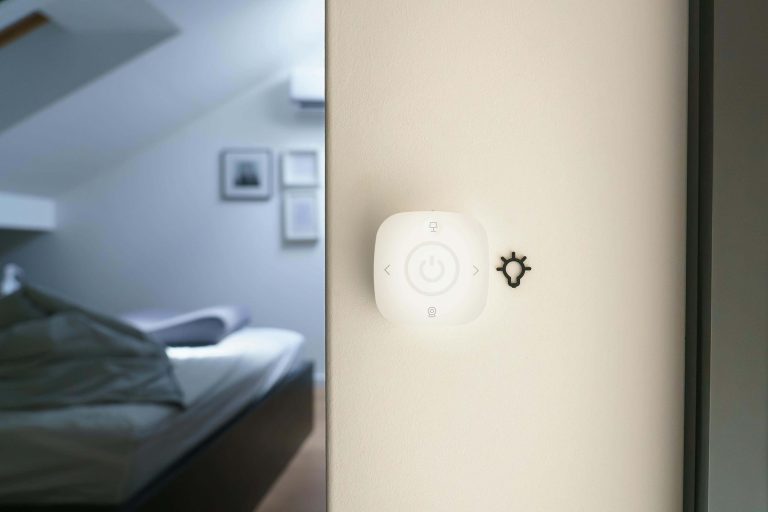
The right solution is either: use a smart switch instead of smart bulbs (the switch controls the circuit, the bulbs are standard LEDs), or use a wireless battery switch that mounts over the existing switch and sends commands directly to the bulbs without cutting power. Both preserve physical control alongside smart control.
Mistake 4: Using Cheap WiFi Devices for Everything
Budget WiFi smart devices are fine for plugged-in devices in good WiFi range. They’re a poor choice for battery-powered sensors, for devices in marginal WiFi coverage areas, or for setups with many devices that will overload a router.
Battery-powered WiFi sensors typically last 3–6 months per charge. The equivalent Zigbee sensors last 2–4 years. For door sensors, motion sensors, and temperature sensors — anywhere battery-powered and wireless — Zigbee or Thread devices are worth the hub requirement. We explained the full difference in our Zigbee vs WiFi guide.
Mistake 5: Building Automations Without Conditions
An automation without conditions is an automation that will eventually do something annoying. A motion light that turns on at 2pm when there’s plenty of daylight. A leaving-home routine that fires when one person in a two-person household goes to the shops. A morning routine that runs at 7am on Saturday when you wanted to sleep in.
Every automation needs at least one condition that limits when it runs. “Only after sunset” for motion lighting. “Only when all household members have left” for leaving routines. “Only on weekdays” for morning schedules. These conditions are available in every major platform’s routine builder and take 30 seconds to add.
Mistake 6: Ignoring the Subscription Costs
Many smart home devices have low upfront hardware costs and significant ongoing subscription costs for their most useful features. Ring, Arlo, and Nest all require monthly subscriptions for video history. A $150 doorbell plus $10/month over three years costs $510 — significantly more than the hardware price suggests.
This isn’t necessarily a reason not to buy, but it should be part of the decision. Know what the subscription costs before you buy the hardware, and factor it into the total cost comparison. Local storage alternatives (Eufy, some Arlo models) eliminate the subscription at the cost of more setup complexity.
Mistake 7: Buying Based on Features Rather Than Reliability
The demo of a smart home device showing off its colour-changing modes, voice recognition, and AI scene detection is designed to sell units. The experience of a device that disconnects regularly, has an unreliable app, or fails to respond to commands is what you live with after the demo.
Reliability is the feature that matters most in day-to-day smart home use, and it’s the hardest to evaluate from a product page. Stick to brands with established track records (Philips Hue, Ecobee, Nest, Ring, August) for the devices you’ll depend on daily. Budget alternatives are fine for supplementary devices where failure is inconvenient rather than disruptive.
Mistake 8: Not Planning for When It Fails
Every smart home device fails eventually — connection drops, firmware bugs, server outages, manufacturer discontinuation. A setup that has no fallback when the smart layer fails is fragile in ways you only discover at the worst moment.
Keep physical controls accessible. Never replace a wall switch with app-only control. Make sure locks have physical keys even if they’re primarily operated by app. Have a way to adjust the thermostat manually. The smart home problems guide covers the most common failure modes and how to handle them.

Conclusion
Smart home beginner mistakes are almost all versions of the same underlying error: moving too fast and optimising for features rather than reliability and daily usability. The setups that last and get used are built slowly, with deliberate ecosystem choices, keeping physical controls intact, and automations that have conditions preventing them from doing the wrong thing at the wrong time.
Pick your ecosystem. Buy one device. Use it for two weeks. Expand based on what you actually find useful, not based on what looked impressive in a review video. That’s the approach that leads to a smart home you’re still happy with in two years.