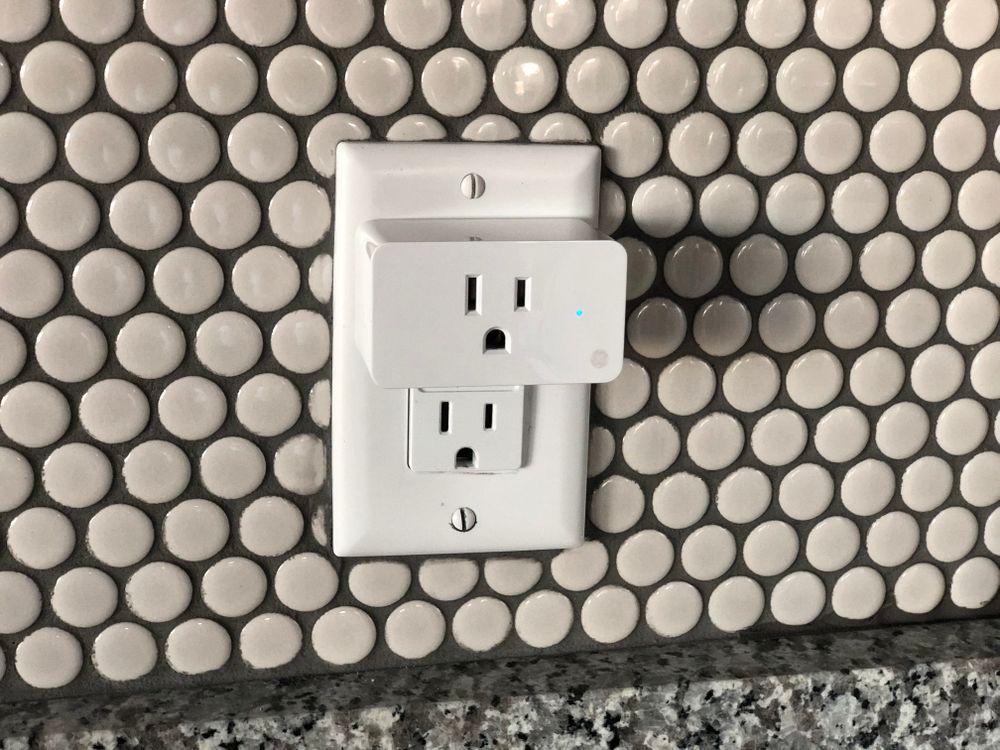
Can You Use a Smart Plug With a Space Heater? The Safety Facts
It’s one of the most common smart home questions every winter: can I plug my space heater into a smart plug so I can warm up the room before I get home or turn it off from bed? A smart plug space heater setup seems like the perfect use for a $15 gadget. The honest answer is that it can be done safely, but most people do it with the wrong plug, and the risks are higher than with almost any other appliance.
This guide explains why the smart plug space heater combination is tricky, how to tell whether your plug can handle the load, and the safer ways to get remote control of your heat.
Why Space Heaters Are Different
Most things people connect to smart plugs, like lamps, fans, and coffee makers, draw very little power or run for short periods. A space heater is the opposite. A typical model pulls about 1,500 watts, which is roughly 12.5 amps on a standard 120-volt U.S. outlet, and it does that continuously for hours.
That matters because electrical components heat up under sustained load. Many smart plugs are rated for 15 amps, but that’s a maximum, not a comfortable everyday load. Electricians commonly apply an 80 percent rule for continuous loads, which puts the practical limit for a 15-amp device around 12 amps. A 1,500-watt heater on high sits right at or above that line, hour after hour.
Heating equipment is also one of the leading causes of home fires. The National Fire Protection Association reports that space heaters are involved in a large share of heating-related fires and the majority of heating fire deaths. Adding a small, cheap electrical component between the wall and the heater increases the number of things that can fail.
The Real Risks of Using a Smart Plug With a Space Heater
There are two separate problems, and the second one surprises most people.
1. Overheating the Plug
A smart plug that isn’t built for a heavy continuous load can get hot, discolor, melt, or fail. Cheap, uncertified plugs are the biggest concern. Signs of trouble include a plug that’s warm to the touch, a burning smell, or brown marks around the prongs. If you see any of these, unplug it immediately and stop using it.
2. Turning a Heater On When Nobody Is Watching
This is the risk people don’t think about. A smart plug can switch on remotely, on a schedule, or through an automation, when nobody is in the room. If a blanket slid off the bed, a pet knocked over a pile of laundry, or a child moved something close to the heater, it now starts heating with nothing nearby to notice.
Many heater manufacturers specifically warn against using timers or remote switches for this reason. Check your heater’s manual. If it says not to use one, don’t.
How to Use a Smart Plug With a Space Heater More Safely
If you’ve decided to do it anyway, these rules dramatically reduce the risk.
- Use a heavy-duty plug rated for the load. Look for a smart plug explicitly rated for 15 amps and 1,800 watts, and preferably one marketed for heaters or heavy appliances.
- Make sure it’s certified. Look for a UL or ETL mark on the plug itself. Skip no-name plugs from marketplace sellers.
- Plug both directly into the wall. Never use an extension cord or power strip with a space heater, with or without a smart plug.
- Use the heater’s low setting when possible. Many heaters have a 750- or 900-watt mode that puts far less stress on the plug.
- Choose a heater with tip-over and overheat protection. These shut the heater off if it falls or overheats, regardless of what the smart plug does.
- Keep three feet clear around the heater at all times, since you won’t always be there when it turns on.
- Check the plug by hand after the heater has run for an hour. If it’s hot, stop using it.
And make sure you have working smoke alarms. Our smart smoke detector guide covers models that alert your phone when you’re away.

Safer Alternatives to a Smart Plug
The best solution is often to skip the smart plug entirely.
Buy a Smart Space Heater
Many newer space heaters have Wi-Fi built in, with their own app and thermostat. Because the smart control is designed into the heater, with proper internal wiring and safety cutoffs, it avoids the overloaded-plug problem. Many work with Alexa and Google Home, too.
Use a Smart Thermostat for Your Main Heat
If you’re using a space heater because one room is always cold, the real fix may be your central heating. A smart thermostat with room sensors can prioritize the rooms you’re in. Our best smart thermostat guide explains which models do this best.
Smart Thermostats for Baseboard Heaters
If your home has electric baseboard heat, line-voltage smart thermostats are designed to handle those high loads safely and give you app control and schedules.
Smart Plug Space Heater Options Compared
| Option | Remote control | Risk level | Best for |
|---|---|---|---|
| Cheap smart plug + heater | Yes | High | Not recommended |
| Heavy-duty certified plug + heater | Yes | Moderate | Occasional use with precautions |
| Smart space heater | Yes | Lower | Most people |
| Smart thermostat (central or baseboard) | Yes | Low | Fixing cold rooms long term |
What About Saving Money?
People often assume a space heater is cheaper than central heat. It can be, if you’re heating one small room and keeping the rest of the house cooler. But at around 1,500 watts, running a heater for eight hours uses about 12 kilowatt-hours, which adds up fast at current electricity prices. Our guide on whether smart plugs save electricity explains how to measure real usage with an energy-monitoring plug, and our energy saving tips cover cheaper ways to stay warm.
The Bottom Line
Can you use a smart plug with a space heater? Technically yes, if the plug is certified, rated for the load, plugged directly into the wall, and the heater has built-in safety cutoffs. But remote and scheduled control creates a risk that a regular switch doesn’t: the heater can turn on when nobody is there to notice a problem.
For most people, rather than a smart plug space heater setup, a heater with smart controls built in, or better zoning from a smart thermostat, is the safer and smarter choice. If you do use a plug, treat it as a convenience for when you’re home, not a way to run heat in an empty room.