Smart Humidifier Guide: Fix Dry Winter Air Without Overdoing It
A smart humidifier is one of the most practical winter upgrades you can make, especially if you wake up with a dry throat, cracked lips, or static shocks every time you touch a doorknob. Cold outdoor air holds very little moisture, and once your heating warms it up indoors, relative humidity can drop well below comfortable levels.
A regular humidifier helps, but it’s easy to forget to turn it on, or to leave it running until the windows drip with condensation. A smart humidifier measures the humidity in the room and adjusts automatically. This guide covers why winter air gets so dry, the right humidity to aim for, how smart humidifiers work, and which type fits your home.
Why Indoor Air Gets So Dry in Winter
Relative humidity describes how much moisture the air holds compared with the maximum it could hold at that temperature. Cold air can’t hold much water. When your furnace or heat pump warms that cold air, the amount of moisture stays the same, but the air’s capacity grows, so the relative humidity falls. In many homes it drops into the 20s or even lower during cold snaps.
Dry air can make your skin and sinuses feel uncomfortable, increase static electricity, and dry out wood floors, furniture, and musical instruments.

What Humidity Should You Aim For?
More isn’t better. Too much humidity leads to condensation on windows and can encourage mold. The EPA’s guide to mold and moisture recommends keeping indoor relative humidity below 60 percent, ideally between 30 and 50 percent.
In practice, that means:
- Around 30 to 40 percent during very cold weather, so moisture doesn’t condense on cold windows.
- Around 40 to 50 percent in milder winter weather.
- Watch your windows. If you see condensation or frost forming on the inside, lower the target.
This is exactly why automation matters. A smart humidifier holds a target instead of running blindly.
How a Smart Humidifier Works
A smart humidifier adds a humidity sensor, Wi-Fi, and an app to a regular humidifier. The main benefits:
- Auto mode: set a target, such as 45 percent, and it turns itself up, down, or off to hold it.
- Schedules: run it overnight in the bedroom and turn it off during the day.
- Refill and cleaning reminders on your phone.
- Voice control through Alexa or Google Home on most models.
- Humidity history, so you can see how dry your home really gets.
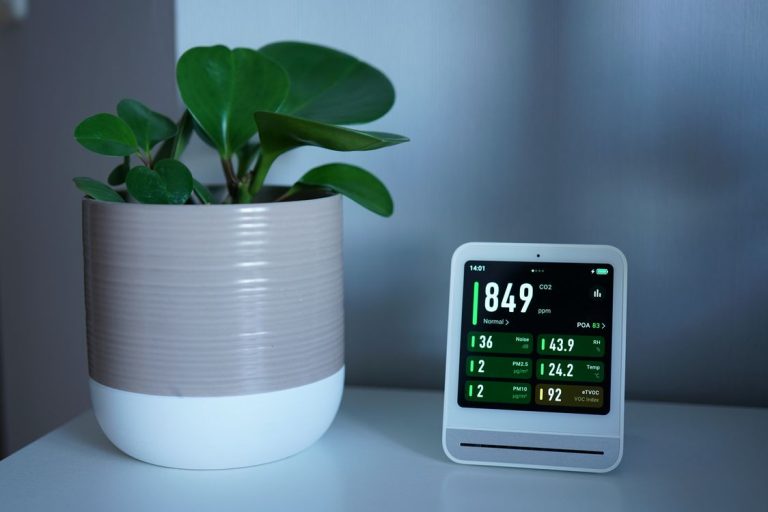
One limitation: the built-in sensor sits right next to the mist, so it can read higher than the rest of the room. Some smart humidifiers can use a separate sensor placed across the room for more accurate control, and an indoor air quality monitor can double-check the readings.
Types of Smart Humidifiers
Ultrasonic (Cool Mist)
Ultrasonic humidifiers use vibrations to create a fine mist. They’re quiet, energy-efficient, and the most common type of smart humidifier. The downside is that minerals in tap water can come out as a fine white dust on furniture. Using distilled water or a demineralization cartridge helps.
Evaporative
Evaporative humidifiers blow air through a wet wick or filter. They don’t produce white dust and naturally avoid over-humidifying, but they’re a little louder and the filters need regular replacement.
Warm Mist
Warm mist models boil water to create steam. They can feel cozier and reduce some bacteria concerns, but they use more electricity and the hot water can be a burn risk around kids and pets.
Whole-Home Humidifiers
If dry air is a problem throughout the house, a whole-home humidifier installed on your furnace treats every room at once. Many smart thermostats, including some ecobee and Nest models, can control a whole-home humidifier directly. Our best smart thermostat guide covers which ones support it.

Smart Humidifier Types Compared
| Type | Noise | White dust | Running cost | Best for |
|---|---|---|---|---|
| Ultrasonic | Very quiet | Possible with tap water | Low | Bedrooms, nurseries |
| Evaporative | Moderate | None | Low, plus filters | Living rooms, hard water areas |
| Warm mist | Quiet | Low | Higher | Small rooms, adults only |
| Whole-home | Silent in rooms | None | Moderate | Very dry climates, whole house |
Popular Smart Humidifier Brands
Several brands make well-reviewed app-connected humidifiers at reasonable prices. Levoit, Dreo, and Govee are among the most popular, with models typically ranging from roughly $50 to $150 depending on tank size and features. Look for:
- A tank size that matches the room. Around 4 liters suits a bedroom; 6 liters or more suits larger rooms or overnight running.
- Top-fill design, which is much easier to refill and clean.
- True auto mode with a built-in humidity sensor.
- Alexa or Google support if you want voice control or routines.
Keep It Clean
A humidifier that isn’t cleaned can spread bacteria and mold into the air, which defeats the purpose. Follow a simple routine:
- Empty and dry the tank daily if possible, rather than topping it up.
- Clean it every few days following the manufacturer’s instructions, typically with diluted vinegar to remove scale.
- Use distilled or demineralized water in ultrasonic models to reduce mineral buildup and white dust.
- Replace filters on schedule for evaporative models.
Smart reminders make this much easier to stick to.

Smart Humidifier Automations Worth Trying
- Bedtime humidity: turn on the bedroom humidifier an hour before bed and off when you wake up. It fits well with our smart bedroom setup.
- Cold-snap adjustment: lower the target when outdoor temperatures drop sharply, to prevent window condensation.
- Away mode: turn it off when everyone leaves home.
Is a Smart Humidifier Worth It?
If your home regularly drops below 30 percent humidity in winter, yes. The difference in comfort is noticeable, and a smart humidifier’s auto mode prevents both dry air and the window condensation that comes from overdoing it. Start with one in the bedroom, where most people feel the effects of dry air most, and add more only if your readings show you need them.