Smart Radon Detector Guide: Why Winter Is the Time to Test Your Home
A smart radon detector is one of the few smart home devices that monitors a risk you genuinely can’t see, smell, or taste. Radon is a naturally occurring radioactive gas that seeps up from the ground into homes through cracks in foundations, basements, and crawl spaces. Winter is when levels tend to be highest, because homes are closed up and warm air rising inside can draw more soil gas in from below.
This guide explains why radon matters, how a smart radon detector works compared with a traditional test kit, which models are popular, and what to do if your readings are high.
Why Radon Matters
According to the EPA, as reported in EPOnline’s coverage of the EPA’s radon testing guidance, radon is linked to about 21,000 lung cancer deaths in the U.S. each year and is the leading cause of lung cancer among people who don’t smoke. The EPA recommends taking action to reduce radon if your home tests at or above 4 picocuries per liter (pCi/L).
Radon levels vary enormously from house to house, even between neighbors. The only way to know your home’s level is to test.

Test Kit vs Smart Radon Detector
Traditional Test Kits
Short-term test kits are inexpensive and sold at hardware stores. You leave the kit out for a few days, mail it to a lab, and get a single result. Some states and local health departments offer free kits. They’re a good starting point, but they give you only one snapshot.
Smart Radon Detectors
A smart radon detector measures continuously and shows results on a display or in an app. Instead of a single number, you see daily and long-term averages, which matters because radon rises and falls with weather, season, and how you use your home. Many models also measure temperature and humidity, and some track other air quality data like CO2 and particles.
Continuous monitoring is especially useful to:
- Check whether levels change between seasons.
- Confirm a mitigation system is working after installation.
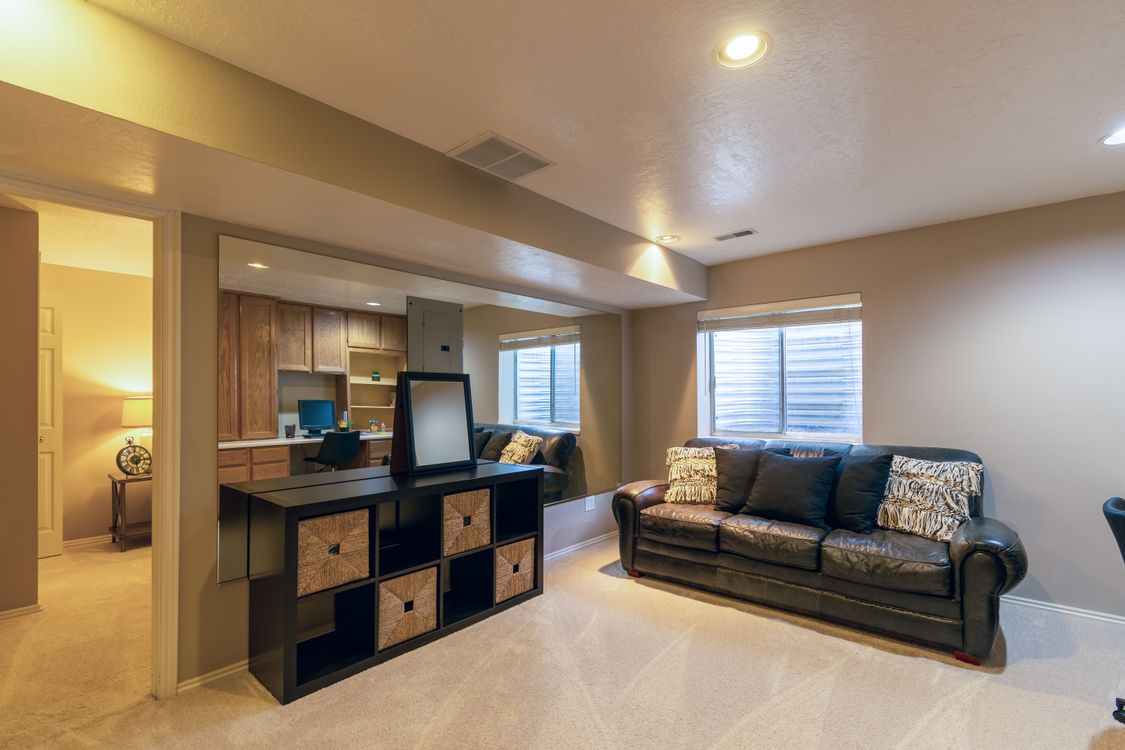
- Keep an eye on a basement you’re finishing or using as living space.
Popular Smart Radon Detectors
Prices are approximate and change often.
- Airthings Corentium Home 2 and Wave Radon: Airthings is the best-known name in consumer radon detection. Its devices show short- and long-term averages, and the connected models send data to an app.
- Airthings View Plus: around $300, measures radon along with CO2, particles, VOCs, temperature, and humidity, and works with Alexa and Google Assistant. It’s a full indoor air quality monitor with radon built in.
- Ecosense RadonEye: a popular continuous radon monitor known for showing results relatively quickly after setup.
Smart Radon Detector Comparison
| Option | Approx. cost | Continuous | Extra sensors | Best for |
|---|---|---|---|---|
| Short-term test kit | $15 to $30 | No | None | A first check |
| Dedicated radon monitor | $150 to $250 | Yes | Temperature, humidity on some | Ongoing radon tracking |
| Airthings View Plus | ~$300 | Yes | CO2, PM2.5, VOCs | Radon plus whole air quality |
Where to Place a Smart Radon Detector
- Put it on the lowest lived-in level of your home, such as a finished basement or the ground floor.
- Keep it away from drafts, windows, vents, and high humidity like bathrooms and kitchens.
- Place it at breathing height, typically 20 inches or more off the floor.
- Wait for a long-term average. Short-term readings fluctuate, so give the device several days at minimum, and ideally weeks, before drawing conclusions.
What to Do If Radon Levels Are High
- Don’t panic over a single high day. Look at the longer-term average.
- If your average is at or above 4 pCi/L, the EPA recommends fixing your home. Many people also consider mitigation for levels between 2 and 4 pCi/L, since there is no known completely safe level.
- Hire a certified radon mitigation professional. The most common fix is a sub-slab depressurization system, a pipe and fan that pulls radon from under the foundation and vents it outside.
- Keep monitoring after mitigation to confirm levels stay down. This is where a smart radon detector really earns its keep.
This guide isn’t medical advice. If you’re concerned about radon exposure, talk with your doctor and your state radon program.

Use It With Your Smart Home
If your smart radon detector connects to your smart home platform, you can set up alerts when the long-term average rises, or remind yourself to check the mitigation fan. Our guide to Home Assistant automations shows how to build alerts like these.
Buying a home? Radon testing is worth including in your inspection. Our guide to moving with a smart home covers other things to check at a new place. And for the other invisible danger in winter, make sure you have working carbon monoxide alarms, as explained in our smart smoke detector guide.
Is a Smart Radon Detector Worth It?
If you’ve never tested your home, start with an inexpensive test kit. If the result is borderline or high, if you have a basement you live in, or if you’ve installed a mitigation system, a smart radon detector is well worth it. Continuous monitoring turns an invisible risk into a number you can watch, and winter is the best time to start.