Smart Vents: Can They Fix Hot and Cold Rooms? What to Know First
Smart vents promise to fix one of the most common complaints in American homes: rooms that are always too hot or too cold. The upstairs bedroom that’s freezing in winter, the office over the garage that bakes in summer, the basement nobody can keep comfortable. Instead of cranking the thermostat for the whole house, smart vents open and close individual registers to send more air where it’s needed and less where it isn’t.
They can work well, but they also come with a real risk if they’re used carelessly. This guide explains how smart vents work, what they cost, the HVAC warning you need to know, and when they’re worth it.
How Smart Vents Work
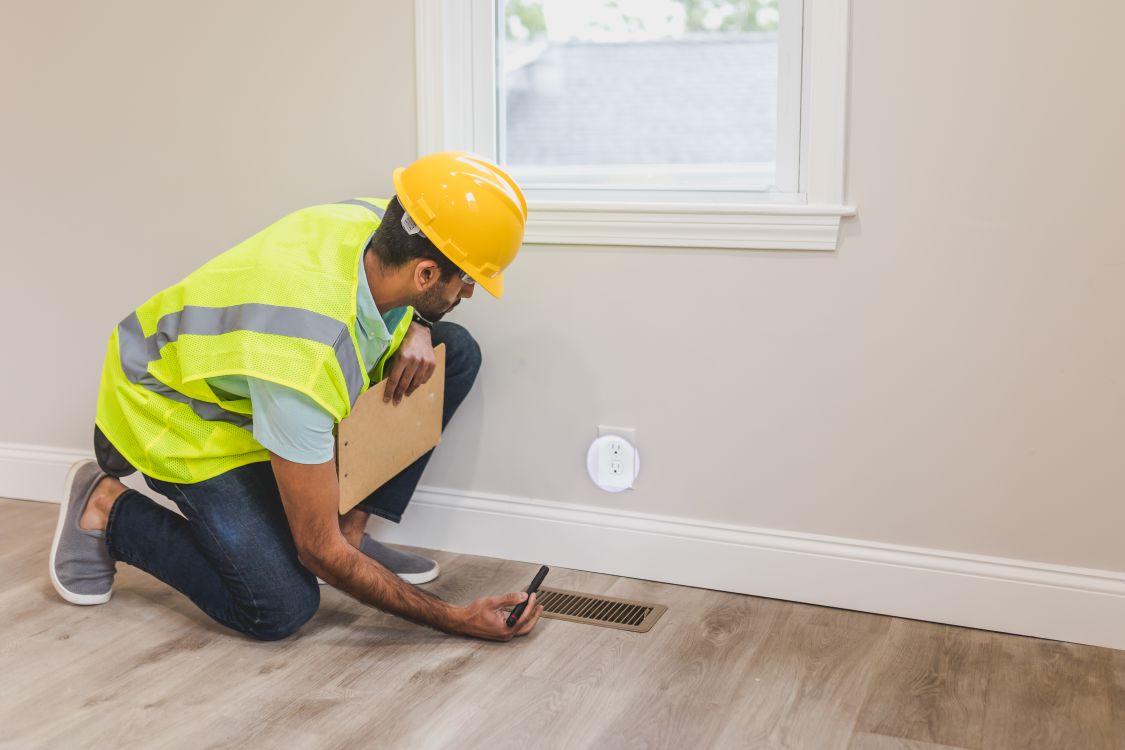
Smart vents replace your standard floor, wall, or ceiling registers with motorized versions. Each vent can open, close, or partially open on command. Paired with temperature sensors and your thermostat, the system adjusts airflow room by room:
- A room is too cold in heating mode: its vents open wider while vents in warmer rooms close partially.
- A room is empty: vents can close to stop wasting heated or cooled air there.
- Schedules: the office gets priority during work hours, bedrooms at night.
The result is a kind of zoning, a feature that normally requires expensive changes to ductwork, using a retrofit you can often install yourself.

The Important Warning: Don’t Close Too Many Vents
Your HVAC system is designed to move a certain amount of air. Closing too many vents raises the pressure in your ducts, which can reduce efficiency, increase duct leakage, strain the blower, and in some cases cause equipment problems. As SmartHomeExplorer’s review of the Flair Smart Vent notes, experts warn that closing too many vents risks HVAC damage.
This is why good smart vent systems are designed to manage airflow carefully rather than simply shutting rooms off. Practical rules:
- Never close most of the vents in your home.
- Use partial closing rather than fully shutting vents where possible.
- Talk to an HVAC professional if you plan to install smart vents in many rooms, especially with an older or undersized system.
Popular Smart Vent Options
- Flair Smart Vents: the most popular option today. Each motorized vent costs around $129, and the system requires a Flair Puck (about $99) that acts as a hub and room sensor. Flair works with ecobee, Nest, and Honeywell thermostats and adjusts vents based on room temperatures and occupancy. Note that it relies on the cloud.
- Keen Home: an earlier smart vent brand that popularized the category. Check current availability and support before buying.
Smart Vents vs Other Ways to Fix Uneven Rooms
| Approach | Approx. cost | Pros | Cons |
|---|---|---|---|
| Smart vents | $129+ per vent plus hub | Room-level control, no ductwork changes | Careful setup needed to protect HVAC |
| Thermostat with room sensors | $130 to $280 | Simple, no airflow risk | Doesn’t redirect air |
| Ceiling fans and better circulation | Low | Cheap, quick | Limited effect |
| Ductless mini-split | Thousands | Dedicated heating and cooling | Expensive, installation required |
| HVAC zoning by a pro | Thousands | Proper engineered solution | Expensive, invasive |

Try These First
Before buying smart vents, try the simpler fixes:
- Use a thermostat with room sensors, so the system heats based on the rooms that matter. Our best smart thermostat guide covers models with sensors.
- Run your ceiling fans to mix air. Our guide to ceiling fan direction in winter explains how.
- Close smart blinds at night to reduce heat loss in cold rooms. See our smart blinds guide.
- Check for blocked or dirty registers and replace your HVAC filter.
- Look for drafts around windows and doors in the problem room.
If those don’t solve it, smart vents are a reasonable next step.
Installing Smart Vents
- Measure your existing registers carefully. Vents come in standard sizes.
- Start with one or two problem rooms instead of the whole house.
- Place the room sensor away from windows, vents, and direct sunlight.
- Monitor the system for a few weeks, watching comfort and any unusual HVAC noise.
Our guide to smart home climate control explains how smart vents fit with the rest of your heating and cooling.

Are Smart Vents Worth It?
For a home with one or two problem rooms, smart vents can deliver real comfort improvements without expensive ductwork changes. But they’re not a fix-everything gadget. Use them carefully, avoid closing too many vents, and try the simpler fixes first. Done right, smart vents can finally make that cold bedroom or hot office as comfortable as the rest of the house.