Smart Blinds in 2026: Retrofit Kits, Budget Shades and Premium Picks Compared
Smart blinds have a reputation for being a luxury, the kind of thing you see in a showroom and assume costs a fortune per window. A few years ago that was mostly true. Today you can motorize an existing set of blinds for about $60, buy a complete smart roller shade for around $120, or go all the way up to whisper-quiet designer shades that run for years on a single set of batteries.
They are also one of the few smart home upgrades that can pay you back. Windows are a major source of heat loss in winter, and shades that close automatically at sunset do a better job than you remembering to do it. This guide covers the real options, what they cost, and how to pick smart blinds that fit your windows and your smart home.
Why Smart Blinds Are Worth Considering
Most people buy smart blinds for convenience and end up valuing them for three other reasons.
- Energy savings. According to the U.S. Department of Energy, properly installed cellular shades can reduce heat loss through windows by 40 percent or more in winter. Open them on sunny winter days to let in free heat, close them at night to hold it in. Automation makes that happen every day, not just when you remember.
- Better sleep. Blackout shades that close at bedtime and open gradually at your alarm time are one of the most effective wake-up routines there is. We cover more of these ideas in our smart bedroom setup guide.
- Privacy and security. Shades that close when it gets dark, even if you’re out late or on vacation, make the house look lived in and keep the inside out of view.

The Three Ways to Get Smart Blinds
Before comparing brands, decide which of these three paths fits you. It narrows the choice more than anything else.
1. Retrofit Your Existing Blinds
Retrofit kits add a motor to the blinds you already own. They’re the cheapest option and usually require no tools, which makes them ideal for renters.
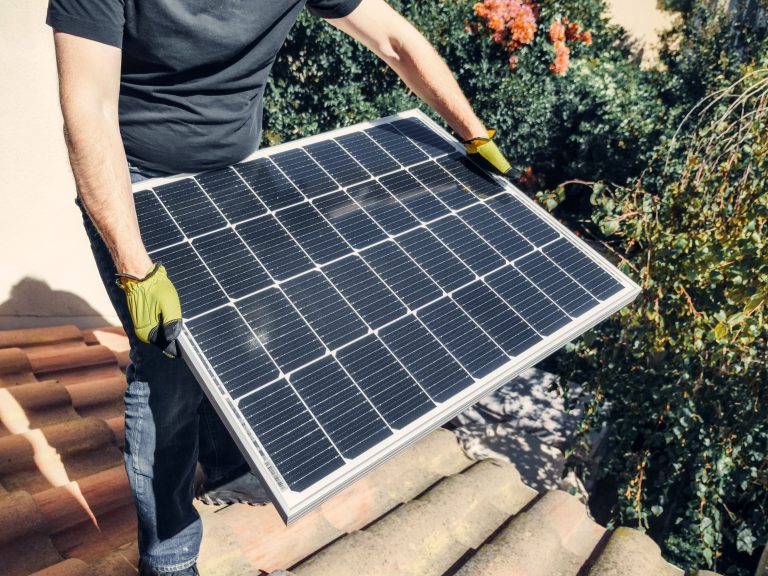
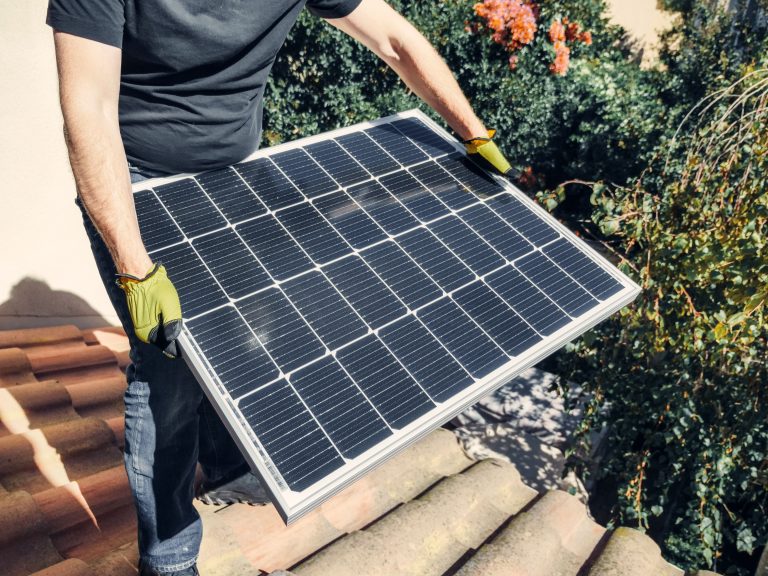
- SwitchBot Blind Tilt (about $60): clips onto the tilt wand of horizontal Venetian blinds and rotates the slats. A small solar panel keeps it charged for months. It only tilts, it doesn’t raise the blinds, and you need a SwitchBot hub for Matter and remote control.
- Eve MotionBlinds Upgrade Kit (about $220): replaces the motor inside an existing roller shade tube. It connects over Thread and Matter, so it works with Apple Home, Google Home, Alexa, and SmartThings. Installation is more involved because you take the roller tube down.
The limitation of any retrofit is that it can only automate what your blinds already do. If you hate your current blinds, don’t spend money motorizing them. Our smart home for renters guide has more no-damage upgrades like this.
2. Buy Affordable Motorized Shades
A new wave of budget brands sells complete motorized roller shades, cut to size, for roughly $115 to $250 per standard window. Kincmo, Yoolax, and Graywind are the names that show up most often, and several now support Matter over Thread, so they connect to any major ecosystem without a proprietary hub.
- Typical price: $115 to $250 for a standard window, more for wide ones
- Power: rechargeable battery, typically several months per charge
- Trade-offs: motors are louder than premium shades, and newer brands have a shorter track record
For most people furnishing a bedroom or home office, this is the sweet spot of price and features.
3. Go Premium
At the top end, Lutron Serena shades are the benchmark. They’re noticeably quieter than budget motors, offer a huge range of fabrics including insulating honeycomb shades, and their batteries last three to five years.
- Price: roughly $490 to $550 and up per window
- Requires: a Lutron Smart Bridge for app and voice control
- Best for: primary bedrooms and living rooms where you will see and hear them every day
SmartWings is another premium-leaning option with unusually broad protocol support, including Matter, Zigbee, and Z-Wave, plus wired and solar power options, which makes it popular with Home Assistant users.
Smart Blinds Comparison
| Option | Approx. price | Type | Connects via | Best for |
|---|---|---|---|---|
| SwitchBot Blind Tilt | ~$60 | Retrofit, tilt only | Bluetooth, Matter with hub | Renters, Venetian blinds |
| Eve MotionBlinds kit | ~$220 | Retrofit motor | Thread, Matter | Existing roller shades |
| Kincmo, Yoolax, Graywind | $115 to $250 | New roller shades | Wi-Fi or Matter | Best value overall |
| SmartWings | ~$200 and up | New shades | Matter, Zigbee, Z-Wave | Home Assistant setups |
| Lutron Serena | $490 to $550 and up | New premium shades | Lutron Smart Bridge | Quiet, long battery life |
Matter, Thread, and Why Protocol Matters for Smart Blinds
Smart blinds are battery-powered devices that need to respond quickly and use very little energy. That makes the connection technology more important than it is for a plug-in gadget.
Thread is the best fit for most shades because it’s low-power and builds a mesh that gets stronger as you add devices. If you choose Matter over Thread shades, you’ll need a Thread border router, which you may already own if you have a recent HomePod mini, Nest Hub, or Echo. Our explainer on what a Thread border router does shows how to check.
Wi-Fi shades are simpler to set up but tend to drain batteries faster. Lutron uses its own reliable radio system through the Smart Bridge. Whatever you choose, make sure it works with the ecosystem you already use. Our guide to Matter smart home devices explains what that standard unlocks.
How to Measure for Smart Blinds
Ordering the wrong size is the most expensive mistake with new shades, because custom shades usually can’t be returned.
- Decide on inside or outside mount. Inside mount fits within the window frame for a clean look. Outside mount covers the frame and blocks more light, which is better for bedrooms.
- Measure in three places. For inside mounts, measure the width at the top, middle, and bottom, and use the smallest number. Do the same for height on the left, middle, and right.
- Check the depth. Motorized rollers need more depth than a basic shade. Confirm the minimum mounting depth on the product page before ordering.
- Plan for charging. Battery shades need recharging every few months unless you add a solar panel. Make sure you can reach the port, or budget for the solar add-on.
Smart Blinds Automations Worth Setting Up
The real value of smart blinds is in automation. These are the routines people keep long after the novelty wears off:
- Sunrise wake-up: open bedroom shades gradually at your alarm time. It works well alongside the ideas in our smart home morning routine guide.
- Winter heat saver: open south-facing shades when it’s sunny and close every shade at sunset.
- Summer cooling: close shades on sun-facing windows during the hottest part of the afternoon so your AC works less. Pair it with your thermostat schedule from our smart climate control guide.
- Away mode: open and close shades on a schedule while you’re traveling so the house looks occupied.
- Movie time: close the living room shades when the TV turns on in the evening.
Are Smart Blinds Right for You?
If you have one bedroom that gets too much early sun, start with a single affordable motorized shade and a sunrise routine. If you rent and have Venetian blinds, a $60 retrofit gives you most of the benefit with no installation risk. And if you’re renovating and want something you’ll never think about again, premium shades are worth the money.
Whichever route you take, smart blinds are one of the rare upgrades that improve comfort, privacy, and energy use at the same time. With winter on the way, there’s no better season to start.