Google Home vs Amazon Echo: How to Actually Choose
This is probably the most asked question in every smart home subreddit and it makes sense — both Alexa and Google Home are everywhere, both work with most devices, and picking the wrong one early means either living with a suboptimal setup or repurchasing everything. The honest answer is that for most people the decision is simpler than the spec comparisons make it look.
Here’s the Google Home vs Amazon Echo breakdown that actually helps you choose rather than just listing features side by side.
What You’re Actually Choosing Between
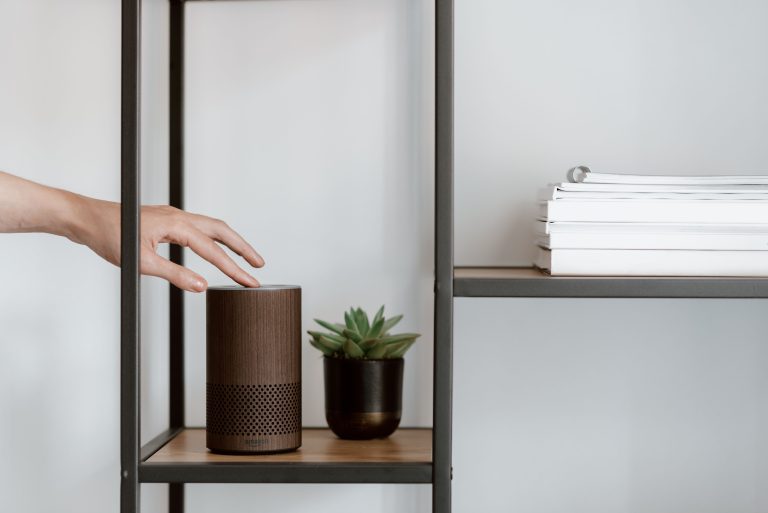
When people say “Google Home vs Amazon Echo” they usually mean the voice assistant ecosystem, not just the physical speakers. The Echo speaker connects to Alexa. The Google Home/Nest speakers connect to Google Assistant. The speaker is the hardware; the assistant is the platform that controls your devices, runs your routines, and understands your commands.
So the real question is: Alexa or Google Assistant? The speakers are almost interchangeable for most people.
Google Home vs Amazon Echo: Where Each One Wins
Voice understanding and natural conversation
Google Assistant is still better at understanding natural language — particularly follow-up questions, contextual commands, and anything requiring internet search. Ask Google what the weather is like for the rest of the week and it understands the context. Ask it to add something to your shopping list after you’ve been talking about something else and it still tracks. The underlying language model is better trained for conversational interaction because Google has been doing search and NLP for longer than anyone.
Alexa has closed the gap significantly with the Alexa+ update in 2026, which added proper large language model capabilities. It’s no longer as clearly behind as it was two years ago. But Google still has an edge for pure voice assistant tasks unrelated to device control.
Smart home device control
Alexa wins on raw device compatibility. More third-party brands support Alexa natively, and the ecosystem of Skills means there’s almost nothing it can’t connect to with some configuration. If you have a mix of devices from different brands that predate the Matter standard, Alexa is more likely to work with all of them out of the box.
That said, Matter has significantly closed this gap in 2026. New devices that support Matter work on both platforms equally well. The compatibility advantage Alexa had two or three years ago matters less now if you’re buying current hardware.
Routines and automations
Both platforms have a solid routines builder now. Alexa’s is slightly more flexible with more trigger types and more granular control over timing. Google Home’s interface is cleaner and easier to understand for beginners.
Neither comes close to Home Assistant for serious automation depth, but for typical household use — good morning routine, leaving home, good night — both do the job well.
The Google services advantage
If you use Gmail, Google Calendar, Google Maps, and YouTube heavily, Google Home integrates with all of them in a way Alexa doesn’t match. Ask Google to read your calendar for tomorrow and it works. Ask it to play a YouTube video on your TV and it works. These integrations aren’t features you’d think about when buying a smart speaker but they become part of daily life fast once you have them.
Alexa has its own services (Amazon Music, Amazon Shopping, Alexa Guard) but they’re Amazon-centric. If you’re an Amazon Prime household who shops regularly, the shopping list integration and delivery notifications are genuinely useful.
Hardware and price
Amazon wins on entry-level price. An Echo Dot costs around $30 and is a capable smart home hub. The Google Nest Mini is similar but typically a few dollars more. Both are good enough for most rooms.
At the mid and higher end, Google’s Nest Hub displays are excellent if you want a screen in the kitchen. Amazon’s Echo Show line is comparable. Personal preference drives the choice here — the hardware quality is similar.

The Real Tiebreaker
Your phone. Seriously — this one factor matters more than any feature comparison.
iPhone household? Apple Home is worth considering over both. But between Google and Alexa, Alexa has a slightly better iOS experience because Google’s Home app is designed primarily around Android. Google Home on iPhone has historically had more friction.
Android household? Google Home is the natural choice. It integrates more smoothly with Android phones for presence detection, casting, and the overall ecosystem feel.
Mixed household with both Android and iPhone? Alexa’s cross-platform experience is the most consistent.
What About Apple Home?
Worth mentioning since this question comes up every time. Apple Home is the right choice for iPhone households that prioritise privacy and local control. If everyone in the house uses an iPhone, it deserves serious consideration. We’ve covered the full comparison separately.

Google Home vs Amazon Echo: The Final Verdict
For most people: if you use Android and Google services daily, go Google Home. If you use iPhone or have a mixed household, go Alexa. If you’re Amazon Prime-heavy and shop a lot, Alexa fits better. If you need the best voice assistant for general questions, Google has a slight edge.
Neither choice is wrong and neither is permanent — Matter means most new devices work on both platforms, so switching ecosystems in the future is less painful than it used to be. Pick the one that fits your existing setup and don’t overthink it.
My honest take on google home vs amazon echo: the platform wars matter less than they did three years ago. Both work well for basic device control and routines. The difference shows up in edge cases — complex voice commands, service integrations, app polish. For most households, the $30 Echo Dot or Nest Mini does 90% of what people actually use a smart speaker for, and whichever one you pick will be fine.