Smart Home Ideas: The Specific Setups That Actually Change Daily Life
Most smart home guides focus on what to buy. This one focuses on what to actually do with it — the specific setups that make a home feel genuinely smart rather than just expensively complicated. Some of these smart home ideas require hardware you might not have yet. Others work with whatever you already own.
The aim here isn’t to be exhaustive. It’s to give you concrete, specific ideas that solve real problems rather than creating new ones to manage.
Smart Home Ideas for the Living Room
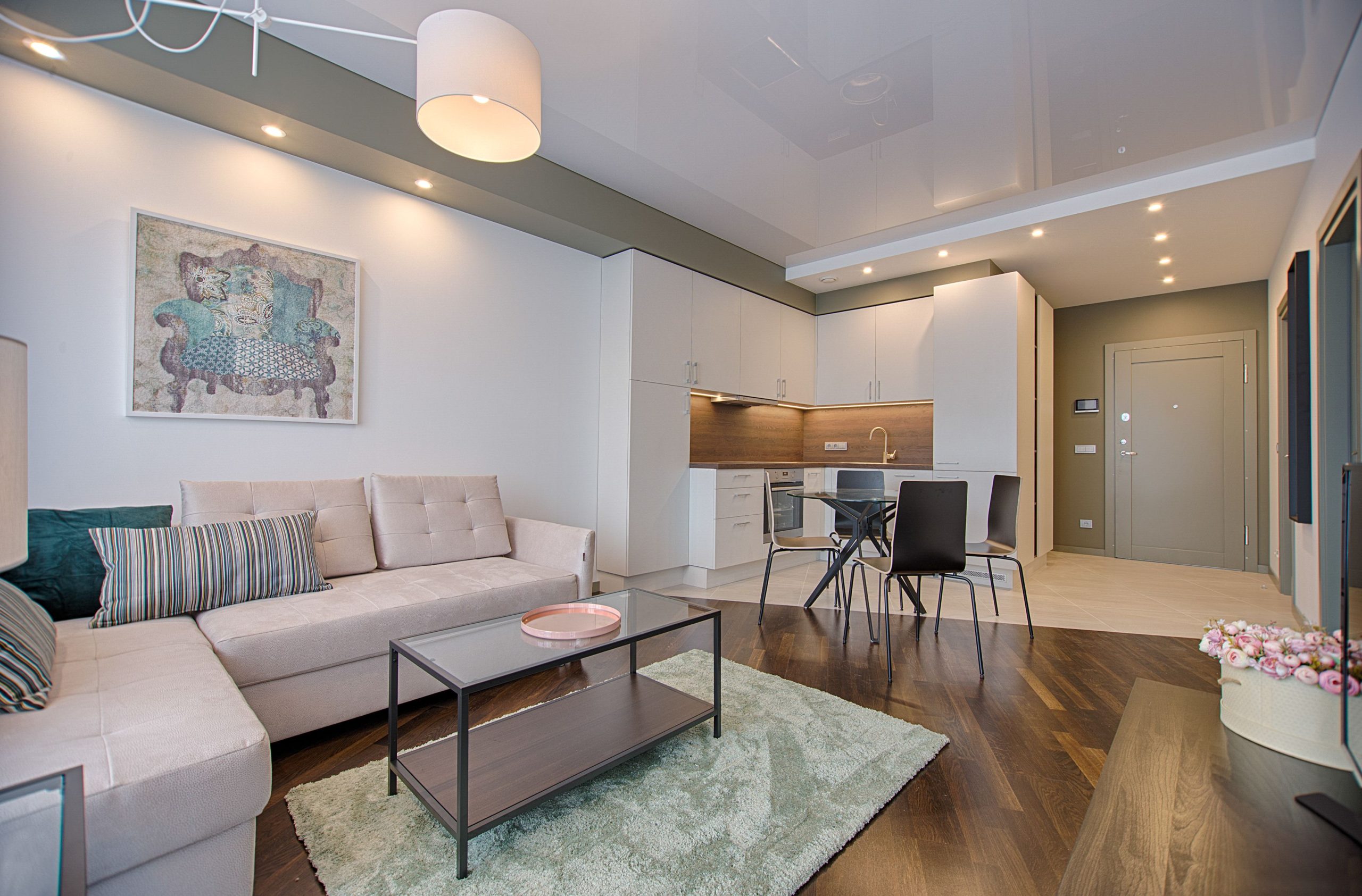
Sunset lighting that actually works. US Department of Energy research confirms evening warm lighting improves circadian rhythm. Set your living room lights to shift from cool white (4000K) during the afternoon to warm amber (2700K) automatically at sunset, triggered by your location rather than a fixed time. This means the transition happens at the right time of year without you adjusting anything seasonally. Takes about ten minutes to set up in most platforms and makes the room feel noticeably different in the evenings.
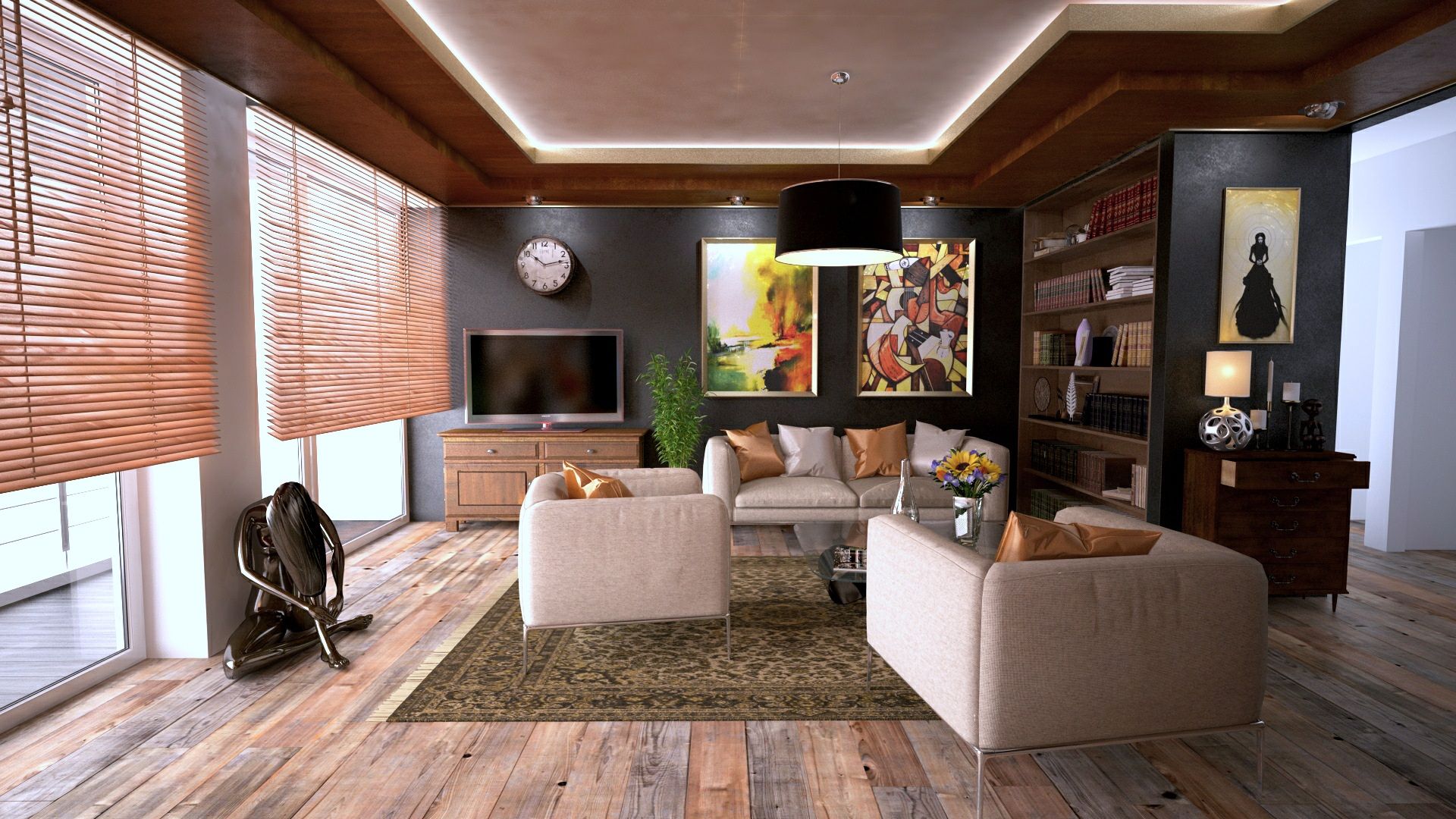
Movie mode in one command. A single voice command or button press that dims the lights to 15%, switches them warm, turns on the TV and streaming device, and if you have smart blinds, closes them. The first time you do this properly it feels like a genuinely different kind of home. We covered the full setup in our routines guide.
Entertainment standby control. A smart plug with energy monitoring on your TV, soundbar, and streaming setup. Schedule it to cut power completely between midnight and 7am. Saves 30–50 watts of continuous standby draw and you’ll never notice it’s happening.
Smart Home Ideas for the Bedroom
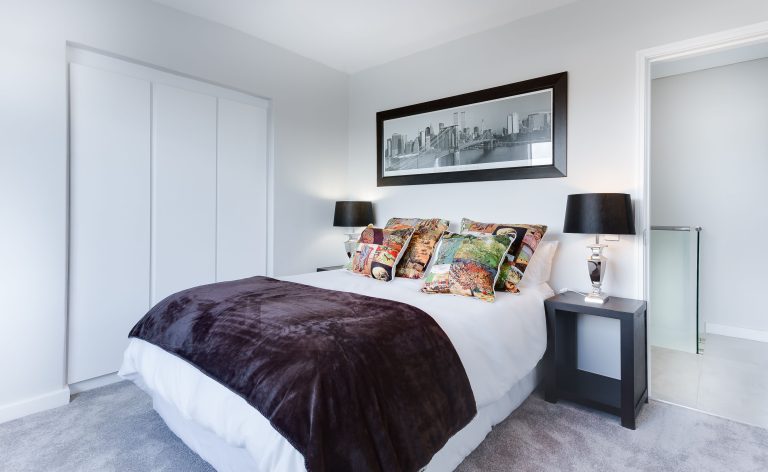
Gradual wake-up lighting. Lights that start at 1% warm amber 30 minutes before your alarm and slowly brighten to 60% cool white by the time the alarm goes off. This is the idea most people hear about and never set up — partly because it sounds complicated and partly because it requires tunable white bulbs. It isn’t complicated and it’s worth doing. We covered the science and setup in the colour temperature guide.
Bedside lamp on a voice trigger. “Alexa, lights off” when you’re already in bed is one of those features that sounds trivial until you’ve used it for a week. Then it’s the one thing you miss in hotel rooms.
Sleep temperature automation. If you have a smart thermostat, a sleep schedule that drops the temperature 30 minutes before your usual bedtime and raises it 30 minutes before your alarm. The research on sleep temperature is clear — cooler rooms produce better sleep — and automating it removes the decision entirely.
Smart Home Ideas for the Kitchen
Washing machine done notification. A smart plug with energy monitoring on the washing machine. When the power draw drops to near zero, the cycle is finished. Set up an automation that sends a notification or makes an announcement on a smart speaker. Sounds like a small thing. Changes laundry habits entirely.
Coffee maker on a schedule. A smart plug on the coffee maker set to turn on 10 minutes before you usually arrive in the kitchen. The coffee is ready. No kettle boiling, no wait. This is the automation that converts most sceptics.
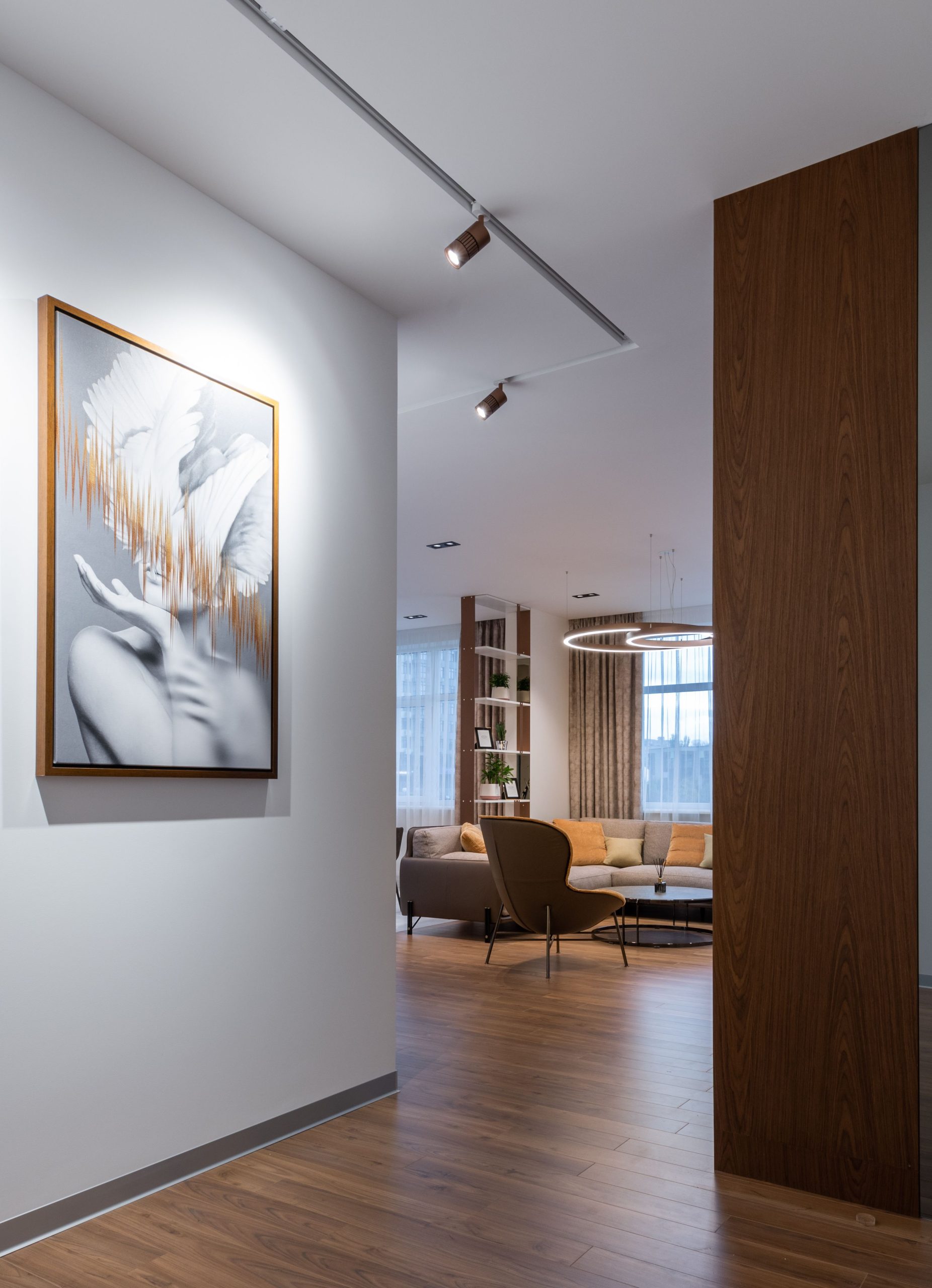
Under-cabinet task lighting. Smart light strips under kitchen cabinets that turn on automatically when motion is detected in the kitchen at night. Good task lighting makes cooking easier; having it activate automatically removes one more thing to think about.
Smart Home Ideas for Security
Leaving home confirmation. When your phone leaves the home area, Alexa or Google announces on the indoor speakers “Everyone has left — checking the house.” It then runs your away routine (lights off, thermostat back, locks engaged) and sends a notification confirming what it did. You stop second-guessing whether you left the lights on.
Motion-activated outdoor lights. Motion sensor triggering outdoor lights after dark — but only activating the lights if it’s actually dark (using a sunset condition), only for 3 minutes, and only announcing on indoor speakers if motion is detected after midnight. Useful deterrence without false alarms during the day.
Guest access codes that expire. If you have a smart lock, create a temporary access code for any cleaner, carer, or guest that automatically expires after their visit. No key handover, no key collection, no wondering if your key was copied. We covered smart lock setup in our guide on smart lock safety.
Smart Home Ideas That Cost Almost Nothing
A few ideas that work with hardware you might already have:
If you have a smart speaker: set a daily reminder for medication, bins, or anything else you regularly forget. Verbal reminders from a speaker you’re already in the room with are more effective than phone notifications you’ve learned to ignore.
If you have any smart plug: put it on the device you leave on most often (a fan, a lamp, a heater) and set it to turn off automatically at midnight. No more wondering if you left it on.
If you have smart bulbs: set them to turn on at 30% brightness after sunset rather than full brightness. The room feels better in the evenings and you’ll adjust less frequently.
Conclusion
The best smart home ideas share a common quality: they automate decisions you were already making, or they remove a small friction that was costing you something (time, energy, mental load) every day. The specific ideas above aren’t the only ones worth implementing — they’re starting points that tend to stick because they’re tied to actual daily habits rather than impressive demonstrations.
Start with the kitchen plug and the bedside lamp command. These two things, if you actually use them, will do more to make your home feel genuinely smart than any amount of additional hardware sitting unused.