Smart Home When on Vacation: How to Monitor and Protect Your House
Leaving your home empty for a week or two used to mean asking a neighbor to grab your mail and hoping nothing went wrong. A smart home when on vacation setup changes that entirely — you get visibility and control over what’s happening, and you can respond to problems before they become expensive ones.
The Core Problem with Leaving a Home Empty

An unoccupied home faces a few distinct risks: break-ins, water damage, HVAC failures that affect pipes or food (if you have a chest freezer), and the obvious issue of appliances left on accidentally. The smart home tools that address each of these are different, and this guide covers all of them.
The goal isn’t to recreate the experience of being home — it’s to get enough visibility that you’d know within minutes if something went wrong, and enough control to respond.
Security While You’re Away
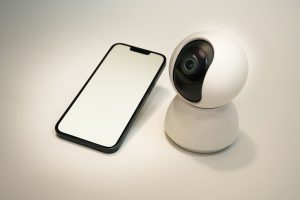
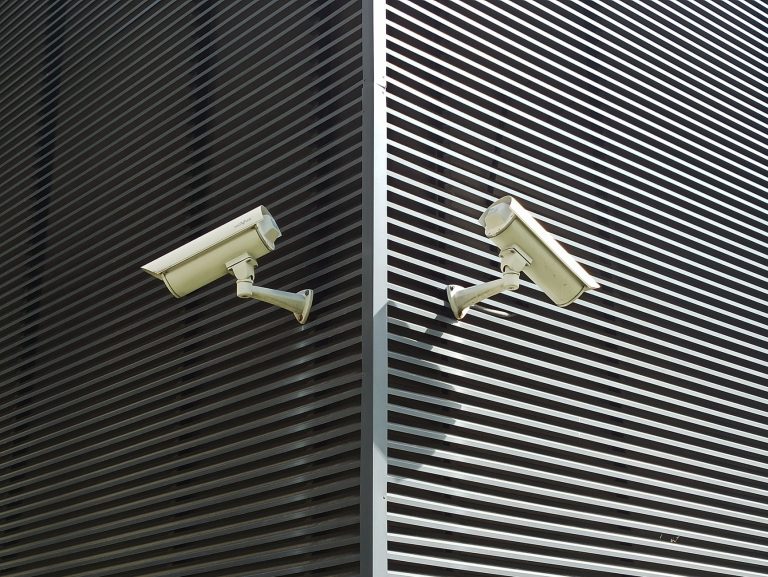
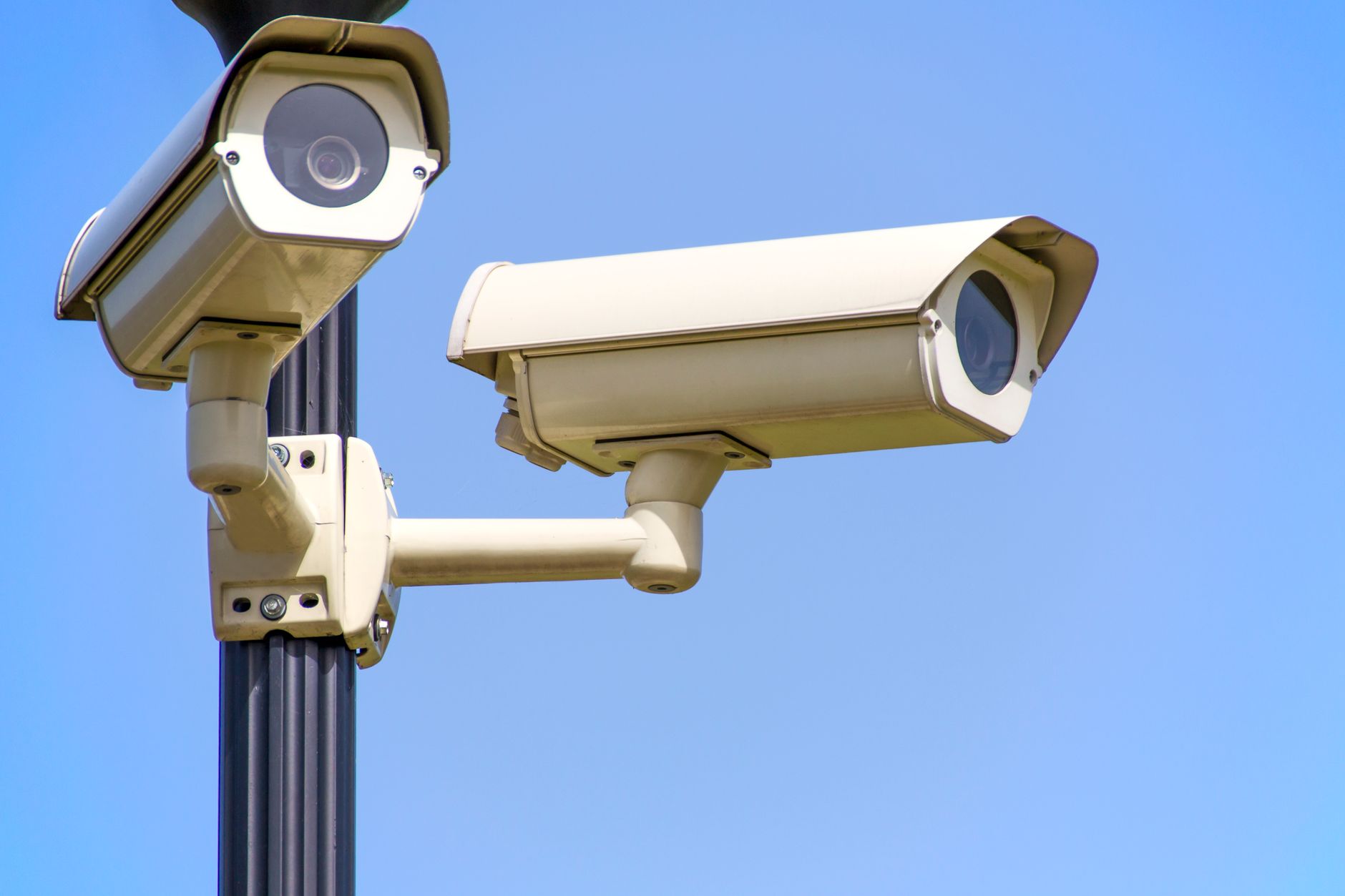
Smart cameras. Indoor cameras let you check in on the house visually. More importantly, they send alerts when motion is detected. Place one with a view of the main entry points. Outdoor cameras add coverage of the perimeter and can deter opportunistic break-ins.
Smart locks. A keypad or app-controlled lock lets you grant temporary access to a trusted neighbor, a house cleaner, or a repair person — without leaving a key under a mat. You can see every entry and exit in the app’s history log. Review our smart locks safety guide for what to look for in a secure model.
Smart lights on schedules. An empty house with no lights on for a week is a signal. Put a few lamps on randomized schedules — a living room lamp from 7–10pm, a bedroom light for an hour around 9pm. This is one of the most effective deterrents available and costs almost nothing if you already have smart bulbs.
Door and window sensors. If a door or window opens while you’re away and it shouldn’t, you want to know immediately. Sensors cost $10–20 each and pair with any smart home hub.
Water Leak Detection
A slow water leak under a sink, a washing machine hose failure, or a water heater leak can cause thousands of dollars in damage over the course of a week. Water sensors placed near appliances and under sinks will alert you immediately if moisture is detected.
For a higher level of protection, a whole-home water shutoff valve (like Moen Flo or Phyn) can automatically close the main water supply when it detects an anomaly. This is particularly valuable for longer vacations or if you travel frequently. See our smart home water leak detector overview for the best options.
Climate and HVAC Settings
Set a safety range, not a comfort range. You don’t need the house at 70°F while you’re away. But you do need to prevent it from dropping below 55°F in winter (to protect pipes) or climbing above 85–90°F in summer (to protect electronics, food, and anything heat-sensitive).
A smart thermostat with a “vacation mode” or manual setpoint is ideal here. Some models can learn from patterns and adjust automatically. Others have geofencing that detects when you’re approaching home and starts conditioning the house before you arrive.
What to Check Remotely
A good vacation setup means you can open one app and answer these questions in under two minutes:
Are all the entry points secure (no open doors/windows)? Is the temperature within the safety range? Any unexpected motion alerts overnight? Is there any moisture detection anywhere? Did the lights run on schedule last night?
If the answer to all five is yes, you can get back to your trip. If not, you have enough information to call a neighbor, contact a repair service, or in the case of a security event, contact the police — all without flying home early. Connect your smart home security system to a professional monitoring service if you want someone else handling the alerts.
Setting Up Before You Leave
Run through this checklist the day before you leave: confirm all cameras are online and recording, test door and window sensors, set the thermostat to vacation range, enable light schedules, place water sensors near any appliances that could leak, confirm your lock codes work, and check that you have push notifications enabled for all your devices.
The setup takes 30 minutes if you already have the devices. If you’re starting from scratch, a basic vacation-ready setup — two cameras, a smart lock, a thermostat, and three water sensors — can be assembled for under $400.