How to Prevent Frozen Pipes This Winter With Smart Home Tech
If you want to prevent frozen pipes this winter, your smart home can do a lot of the work for you. A burst pipe is one of the most expensive problems a homeowner can face: water pours out for hours before anyone notices, soaking floors, walls, and everything in the basement. And it usually happens at the worst time, during a deep freeze or while you’re away for the holidays.
The basics of protecting pipes haven’t changed, but smart thermostats, temperature sensors, leak detectors, and automatic shutoff valves turn those basics into an early-warning system. This guide covers the proven ways to prevent frozen pipes and how smart devices make each one easier.
Why Pipes Freeze and Burst
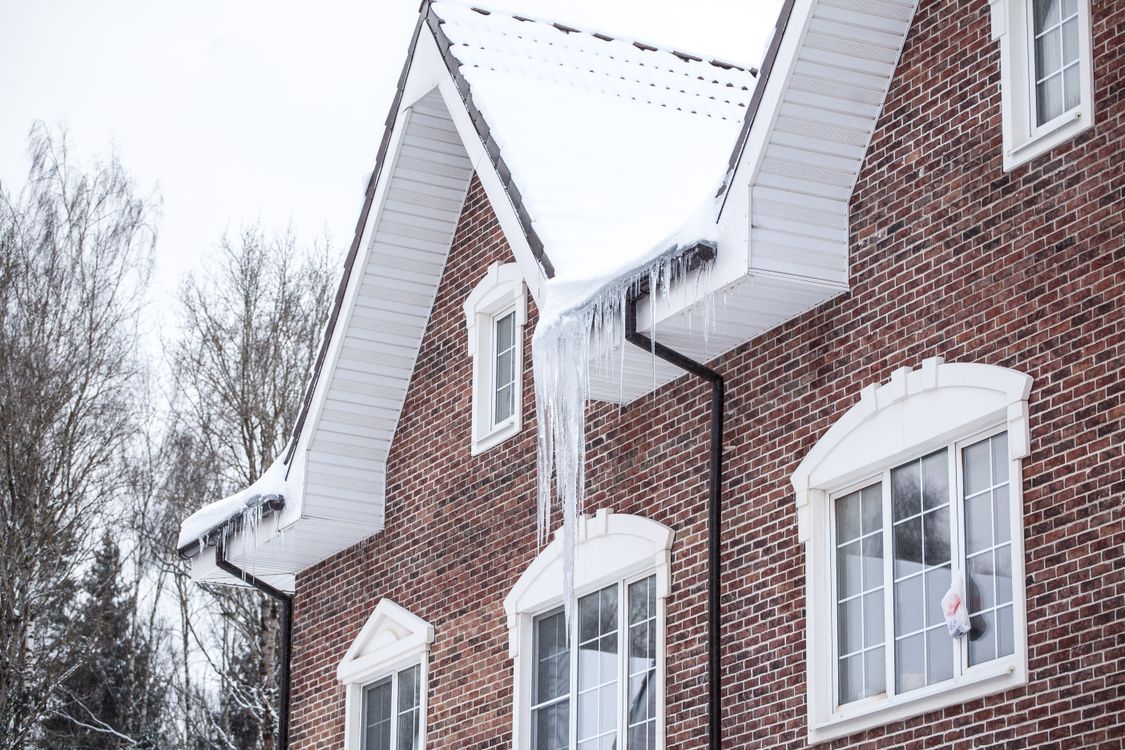
When water freezes, it expands. In a pipe, that expansion builds pressure between the ice blockage and a closed faucet, and eventually the pipe splits. The burst often isn’t obvious until the ice thaws and water starts flowing through the crack.
Pipes most at risk are in unheated or poorly insulated spaces: crawl spaces, attics, garages, exterior walls, and cabinets under sinks on outside walls.
The cost is significant. According to State Farm’s winter preparation data, the insurer paid more than $432 million on over 17,200 frozen pipe claims in 2023, with an average claim of just over $23,500.
The Basics: How to Prevent Frozen Pipes
These are the proven steps plumbers and insurers recommend:
- Keep the heat on. Keep the thermostat at a steady temperature, day and night, during extreme cold.
- Never go below 55°F when away. State Farm recommends setting the thermostat no lower than 55°F while you travel.
- Let faucets drip on very cold nights, especially those on exterior walls.
- Open cabinet doors under sinks so warm air reaches the pipes.
- Insulate exposed pipes in crawl spaces, garages, and attics.
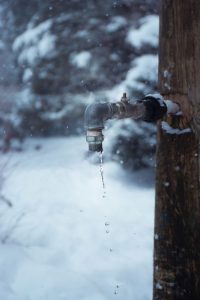
- Disconnect garden hoses and shut off and drain outdoor spigots.
- Know where your main water shutoff is, so you can turn it off fast if a pipe bursts.
How Smart Home Devices Help Prevent Frozen Pipes
Smart Thermostat: Never Let the House Get Too Cold
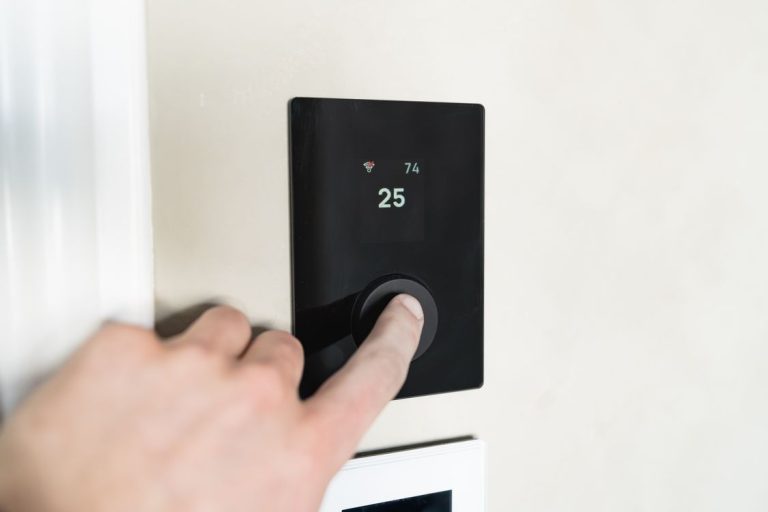
A smart thermostat lets you keep an eye on your home’s temperature from anywhere and alerts you if it drops unexpectedly, for example if the furnace fails. Many can set a minimum temperature for away mode so the house never falls below a safe level. If you’re replacing an older model, our best smart thermostat guide covers models with useful alerts.
Temperature and Freeze Sensors: Watch the Cold Spots
The thermostat only measures one spot, usually in a hallway. The pipes that freeze are somewhere else. Small battery-powered temperature sensors placed in the crawl space, basement, garage, or under the kitchen sink can alert you when those areas drop toward freezing. Many leak sensors include a temperature sensor and send a freeze warning too.
Water Leak Detectors: Catch a Burst Fast
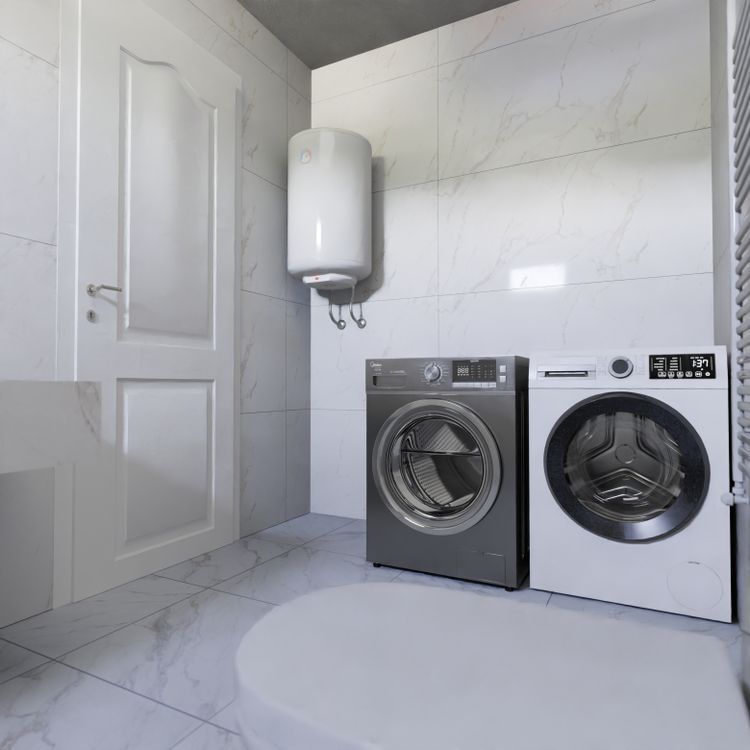
If the worst happens, every minute matters. Leak sensors placed near the water heater, under sinks, behind the washer, and in the basement send an alert the moment they detect water. Our smart water leak detector guide covers the best options.
Automatic Water Shutoff Valves: Stop the Damage
The most powerful protection is a smart shutoff valve installed on your main water line. It can close automatically when a leak sensor detects water or when it notices abnormal flow, often before you even see the alert. Some insurers offer discounts for these, as we explain in our guide to a smart home insurance discount.
Smart Devices to Prevent Frozen Pipes Compared
| Device | Approx. cost | What it does | Best for |
|---|---|---|---|
| Smart thermostat | $80 to $280 | Keeps heat steady, alerts on temperature drops | Every home |
| Temperature / freeze sensors | $15 to $40 each | Monitors cold spots | Crawl spaces, garages, sinks |
| Leak sensors | $15 to $50 each | Alerts at the first sign of water | Near water heaters and pipes |
| Smart shutoff valve | $200 to $700 plus install | Stops water automatically | Maximum protection |
Smart Automations Worth Setting Up
- Freeze alert: notify everyone in the house if any sensor drops below 40°F.
- Furnace failure alert: if the indoor temperature drops below 55°F, send an urgent alert.
- Leak response: when a leak sensor detects water, close the smart valve and send a notification.
- Cabinet reminder: when the forecast drops below 20°F, remind you to open cabinet doors and drip faucets.
Pair these with door and window sensors on the garage or basement door, so you’ll know if a door left open is letting freezing air in.
Before You Leave for the Holidays
If you’re traveling, take a few extra steps to prevent frozen pipes while the house is empty:
- Set the thermostat to at least 55°F and confirm it in the app after you leave.
- Test your leak and temperature sensors and replace weak batteries.
- Shut off the main water supply if you’ll be gone a long time and know how to drain the system safely.
- Ask a neighbor to check in and share access to your alerts if possible.
- Plan for power outages, which can stop your furnace. Our smart home power outage guide explains how to keep alerts working.
Our smart home vacation guide has a full pre-trip checklist.
Prevent Frozen Pipes Before the First Deep Freeze
The best time to prevent frozen pipes is before the first hard freeze of the season. Insulate exposed pipes, disconnect hoses, and learn where your main shutoff is. Then add a few inexpensive temperature and leak sensors in the cold spots. For the price of a single plumber’s visit, a handful of smart devices can turn a potential $20,000 disaster into a quick notification and a small fix. If you have an irrigation system, don’t forget to winterize it too, as our smart sprinkler controller guide explains.