Smart Grow Lights: Keep Houseplants Thriving Through Winter
Smart grow lights are the easiest way to keep houseplants healthy through the dark months. In winter, days are short, the sun sits low, and many windows get only a few hours of weak light. Plants that thrived all summer start stretching, dropping leaves, or simply stop growing. A grow light on a smart schedule gives them a consistent “day” without you having to remember to switch anything on.
This guide explains how to choose smart grow lights, why light intensity matters more than wattage, how to automate them, and the mistakes that can actually harm your plants.
Why Houseplants Struggle in Winter
Plants use light to make food. When daylight drops in winter, many common houseplants, especially tropical ones and succulents, don’t get enough. Signs your plant needs more light include:
- Leggy growth, with long gaps between leaves as the plant stretches toward the window.
- Pale or yellowing leaves.
- Leaning heavily toward the light.
- No new growth for weeks.
Grow lights fill the gap, and smart control makes them effortless.
How to Choose a Grow Light
Look at Light Intensity, Not Just Watts
Wattage tells you how much electricity a light uses, not how much useful light reaches your plant. The better measure is PPFD, the amount of usable light hitting a surface. As a houseplant tech guide syndicated on AOL explains, free apps can estimate PPFD with your phone, and plant databases list how much light different species need.
Choose Full-Spectrum White Light
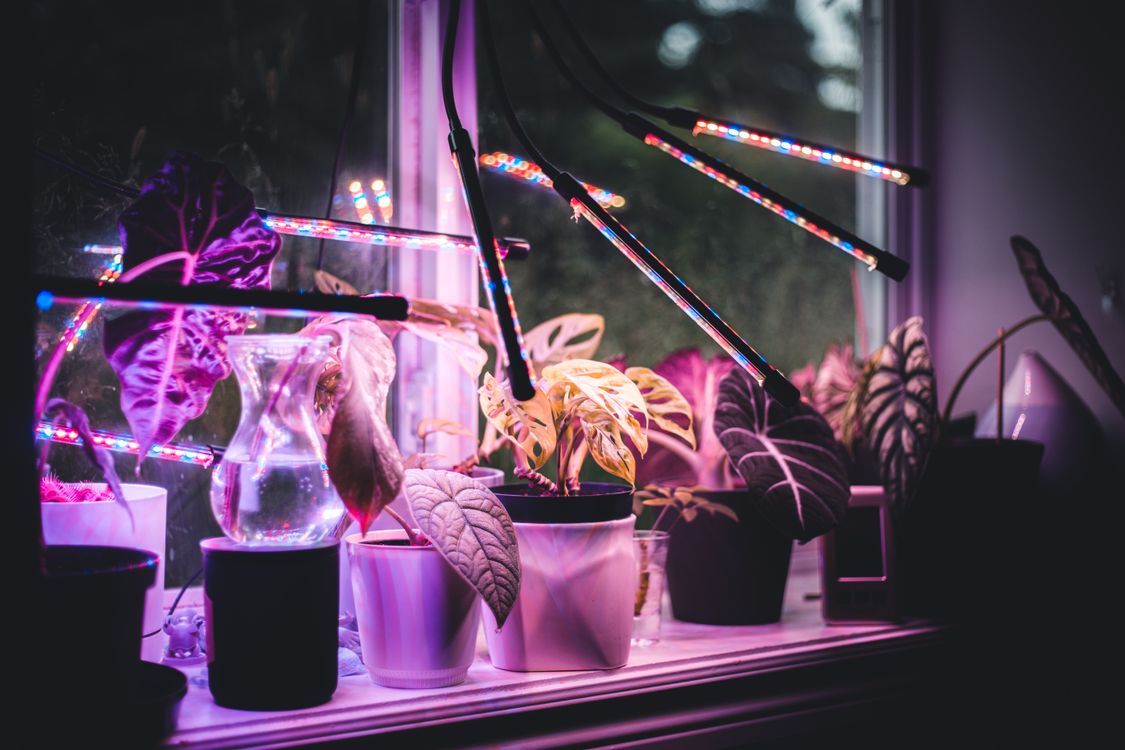
Full-spectrum white LEDs, ideally around 5000K or higher, look natural in your home and make it easy to spot problems like pests or discoloration. Pink or purple red-and-blue lights work but are harsh on the eyes and make your room look like a nightclub.
Pick the Right Form
- Grow bulbs screw into existing lamps and suit one or two plants.
- Light bars and strips mount under shelves for collections.
- Clip-on and stand lights target individual plants without installation.
How to Make Grow Lights Smart
There are two ways to get smart grow lights:
- Buy a grow light with a built-in app, which lets you set schedules and brightness from your phone.
- Plug a regular grow light into a smart plug. This is often the better choice. It’s cheap, works with any light, and lets you include your plants in routines with Alexa, Google, or Apple Home.
The AOL guide makes a useful point: some built-in grow light timers can reset to off after a power outage, which is risky if the light is your plant’s only real source. A smart plug restores its schedule automatically. Our guide to the smart home power outage explains how to check your devices’ power-on behavior.
Smart Grow Light Schedules
| Plant type | Daily light hours | Notes |
|---|---|---|
| Tropical foliage (pothos, monstera, philodendron) | 12 to 14 hours | Consistent schedule matters most |
| Succulents and cacti | 12 to 14 hours | Need bright, intense light |
| Herbs | 14 to 16 hours | Keep lights close |
| Temperate plants | Follow sunrise and sunset | Mimic natural seasons |
Setup Tips
- Mount lights a few inches to a foot above plants, following the manufacturer’s guidance, and raise them as plants grow.
- Leave space for heat to escape, even with LEDs.
- Keep grow lights out of bedrooms, or schedule them to switch off before bedtime.
- Use a smart plug with energy monitoring to see what your lights cost. Our guide on whether smart plugs save electricity shows how.
Don’t Forget Humidity
Winter heating dries the air, and many houseplants, especially tropical ones, prefer more humidity than a heated home provides. A smart humidifier nearby helps both your plants and your own comfort.
How Much Do Smart Grow Lights Cost to Run?
LED grow lights are efficient. A modest LED running 12 hours a day typically costs only a dollar or two a month in electricity at average U.S. rates. Bigger shelf setups cost more, but still far less than replacing plants that don’t survive the winter.
Are Smart Grow Lights Worth It?
If you have houseplants and a home that gets dark in winter, absolutely. Choose full-spectrum white LEDs sized for your plants, put them on a smart plug or app schedule, and your plants will get a consistent day all winter long. Pair them with sensible humidity and a schedule that matches your plants’ needs, and you’ll come out of winter with healthier plants than you went in with. For more on how light color affects your home, see our guide to smart light color temperature.