Winter Smart Home Checklist: 7 Things to Set Up Before the Deep Freeze
This winter smart home checklist brings together everything you should do before the coldest weeks arrive. Winter is when a smart home proves its worth: it can keep heating bills in check, warn you about frozen pipes, keep the lights on during an outage, and make dark, cold mornings a little easier. But only if it’s set up right before the first deep freeze.
Work through the list below in an afternoon. Each item links to a detailed guide if you want to go deeper.
1. Tune Your Heating
Heating is the biggest winter expense in most homes, and it’s where a smart home saves the most.
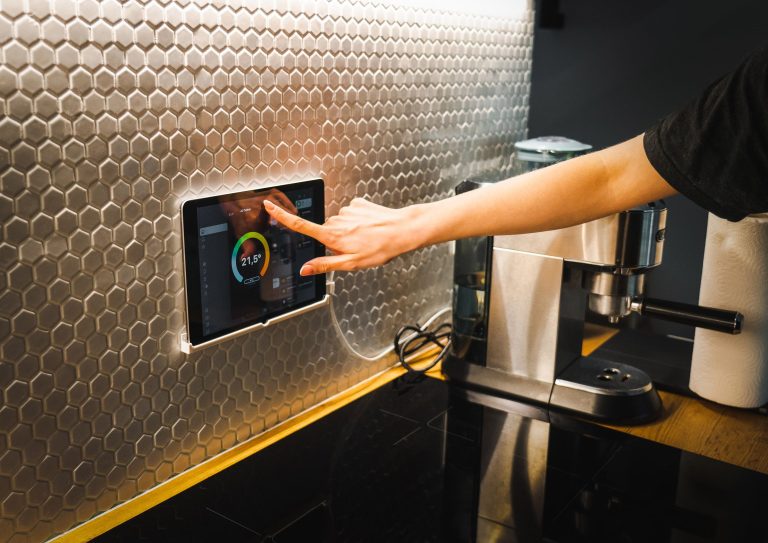
- Set a heating schedule that lowers the temperature at night and while you’re out. The Department of Energy estimates you can save up to 10 percent a year by setting your thermostat back 7 to 10 degrees for eight hours a day.
- Turn on away detection so you’re not heating an empty house.
- Upgrade if you’re still on a dial thermostat. Our best smart thermostat guide compares the top models.
- Flip your ceiling fans to clockwise on low. Our guide to ceiling fan direction in winter explains why.
- Warm the bed, not the house, with a smart mattress pad.
2. Protect Your Pipes
Frozen pipes cause some of the most expensive winter damage.
- Place temperature and leak sensors in the basement, crawl space, and under sinks on exterior walls.
- Set a minimum temperature for when you’re away, at least 55°F.
- Consider an automatic water shutoff valve.
Our guide on how to prevent frozen pipes covers each step, and our smart sprinkler controller guide explains how to winterize irrigation.
3. Prepare for Power Outages
- Put your router, modem, and hub on a UPS so your network survives short outages.
- Fix smart bulb power-on behavior so lights don’t all blaze on at 2 a.m. when power returns.
- Keep a flashlight that doesn’t need an app.
Our smart home power outage guide walks through the full plan.
4. Check Safety Devices
- Test every smoke and carbon monoxide alarm, and replace expired units. Our smart smoke detector guide covers replacements.
- Test for radon, since levels tend to be highest when homes are sealed up. See our smart radon detector guide.
- Keep space heaters off cheap smart plugs. Our smart plug space heater guide explains the risks.
5. Keep Batteries Charged
Cold weather is hard on batteries.
- Replace smart lock batteries before winter. Our smart lock battery guide covers backup options.
- Charge battery cameras and doorbells indoors, since lithium batteries stop charging below freezing. See our guide to battery camera cold weather problems.
- Check sensor batteries in leak, door, and motion sensors.
6. Improve Comfort and Air Quality
- Keep humidity between 30 and 50 percent with a smart humidifier.
- Watch CO2 and particles with an indoor air quality monitor, especially in closed bedrooms.
- Close smart blinds at sunset to keep heat in, as our smart blinds guide explains.
- Set up circadian lighting to make dark mornings easier. See our circadian lighting guide.
7. Get Ready for the Holidays
- Automate holiday lights with an outdoor smart plug and smart Christmas tree lights, with a bedtime off schedule. If you are tired of the ladder every year, consider permanent outdoor lights.
- Protect deliveries from porch pirates. Our guide on how to prevent package theft has the details.
- Plan for travel with schedules, alerts, and a neighbor who can check in. See our smart home vacation guide.

Your Winter Smart Home Checklist at a Glance
| Task | Why it matters |
|---|---|
| Heating schedule and away mode | Lower heating bills |
| Freeze and leak sensors | Catch problems before damage |
| UPS for router and hub | Stay connected in outages |
| Test smoke, CO and radon | Safety in a sealed-up house |
| Fresh batteries in locks and sensors | Avoid cold-weather failures |
| Humidity and air quality | Comfort and healthier air |
| Holiday light schedules | Convenience and fire safety |
Start Before the First Freeze
You don’t need to do everything at once. Start with the items that protect your home, heating schedules, freeze sensors, and safety alarms, then add comfort upgrades as you go. A winter smart home checklist completed in November means a calmer, cheaper, and safer season.